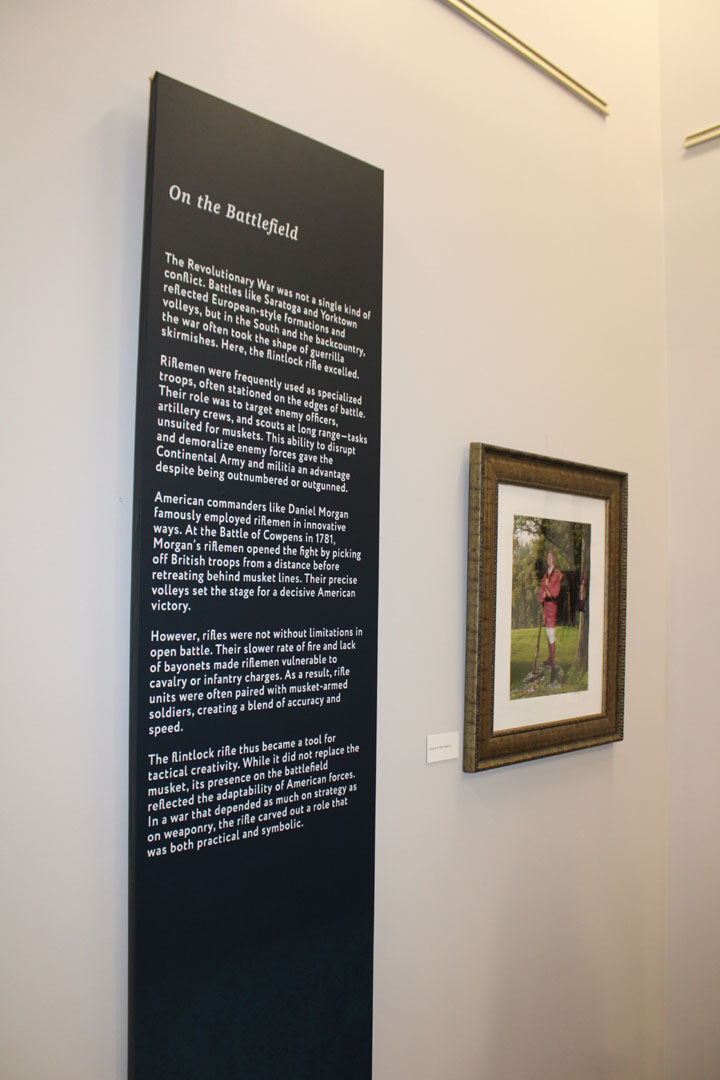
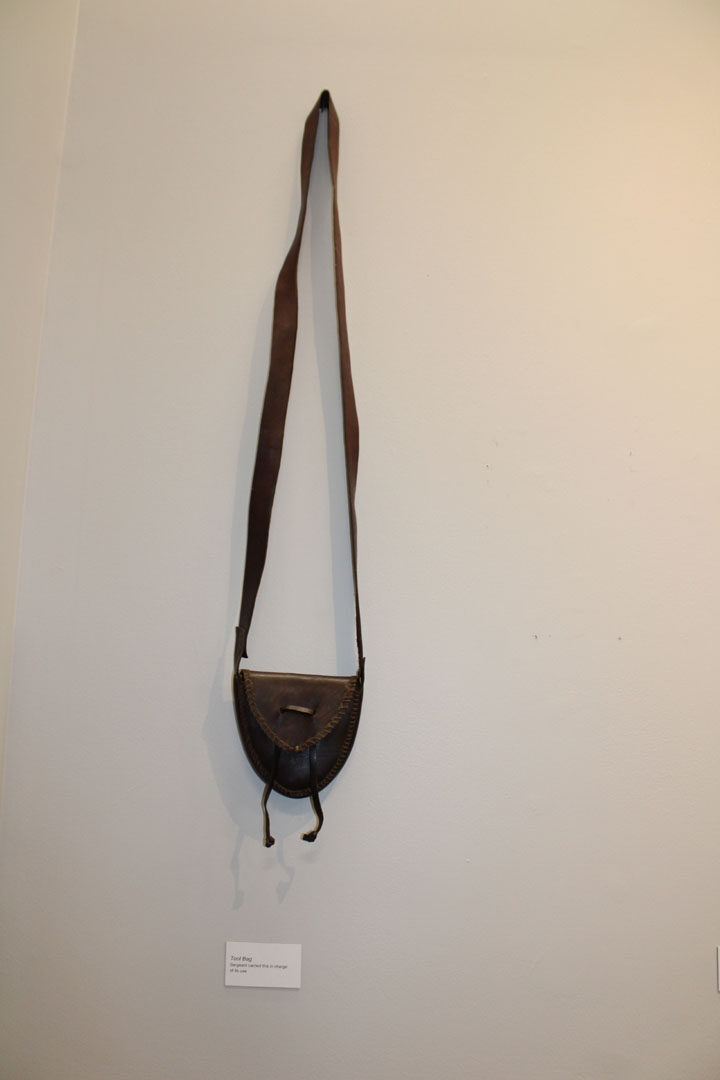
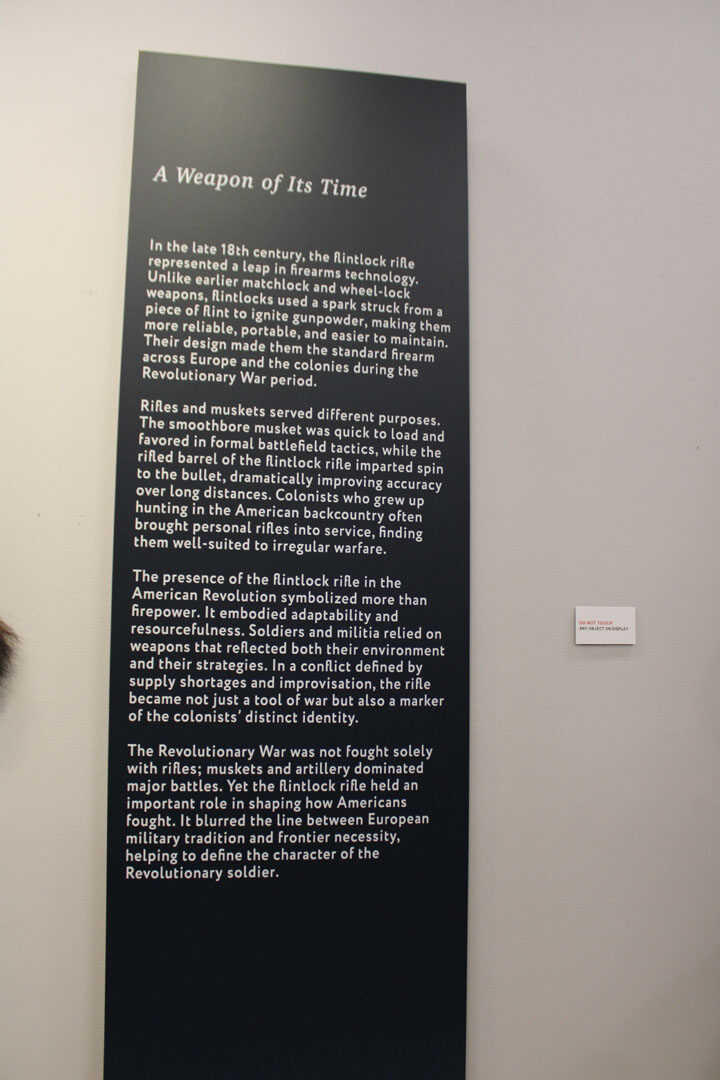
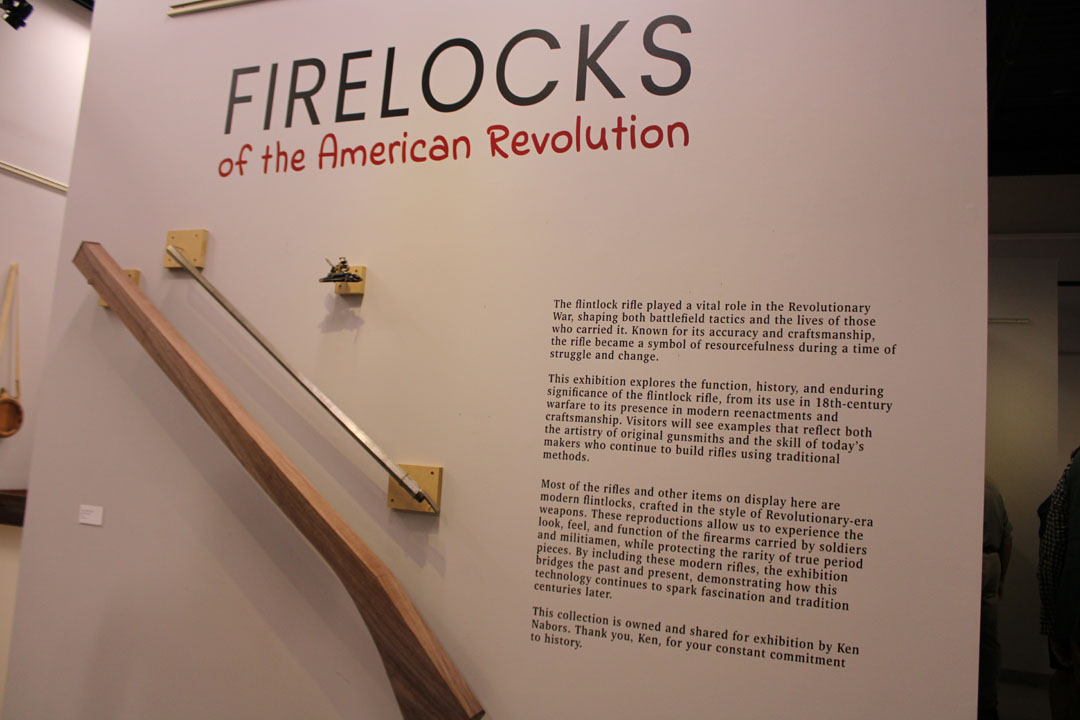
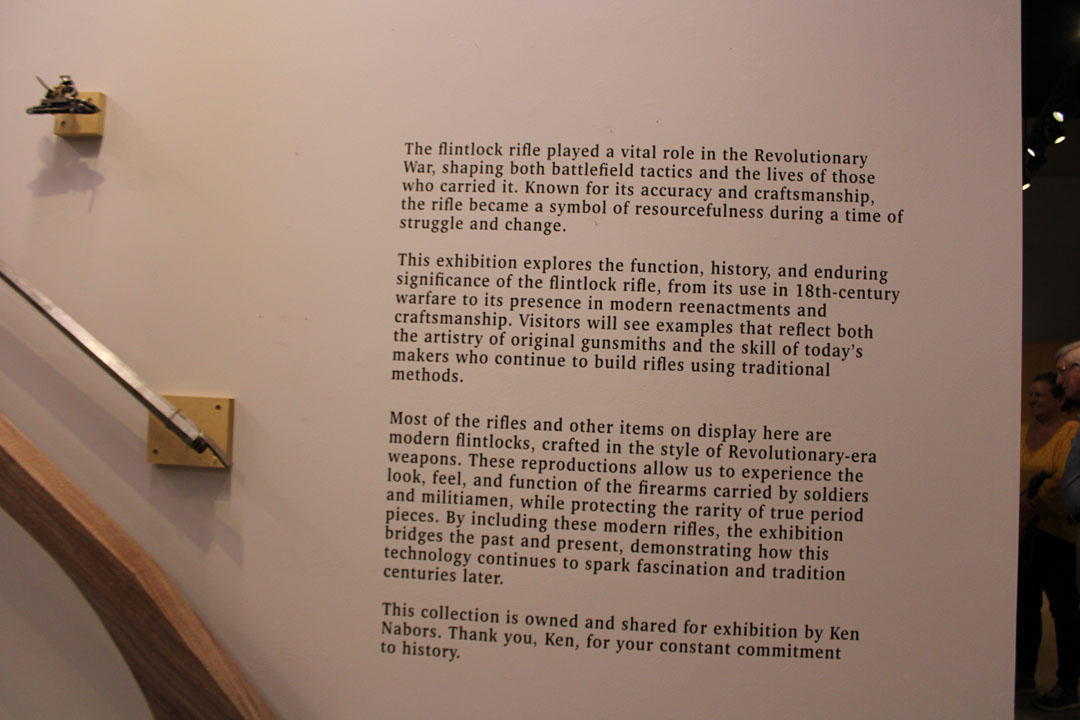
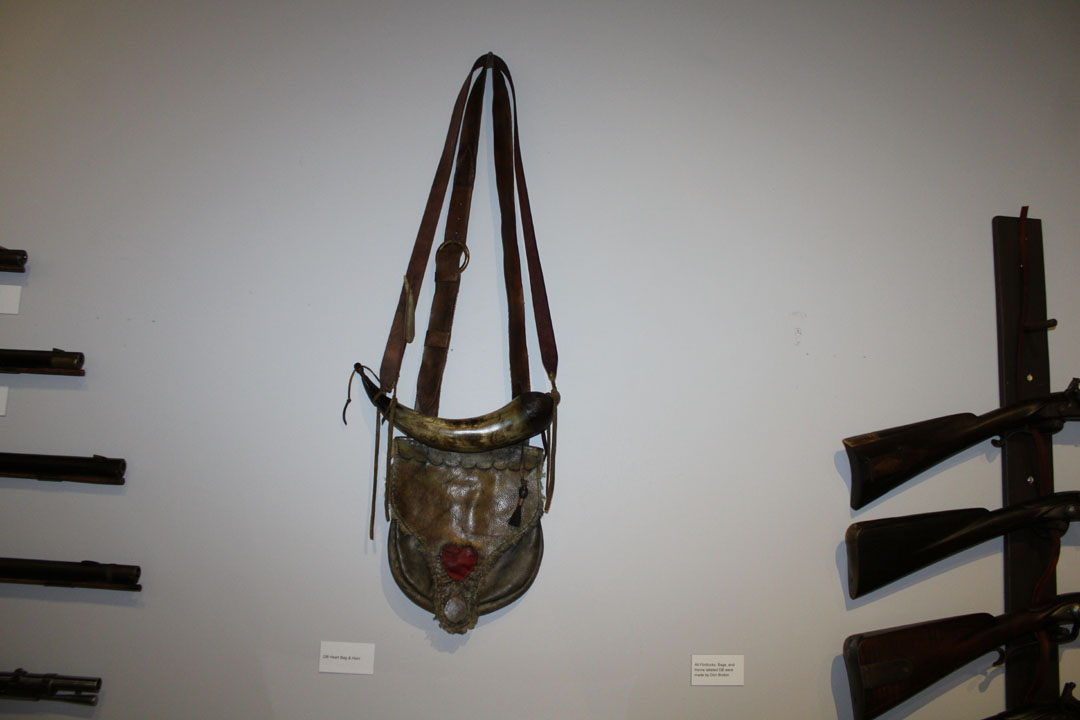
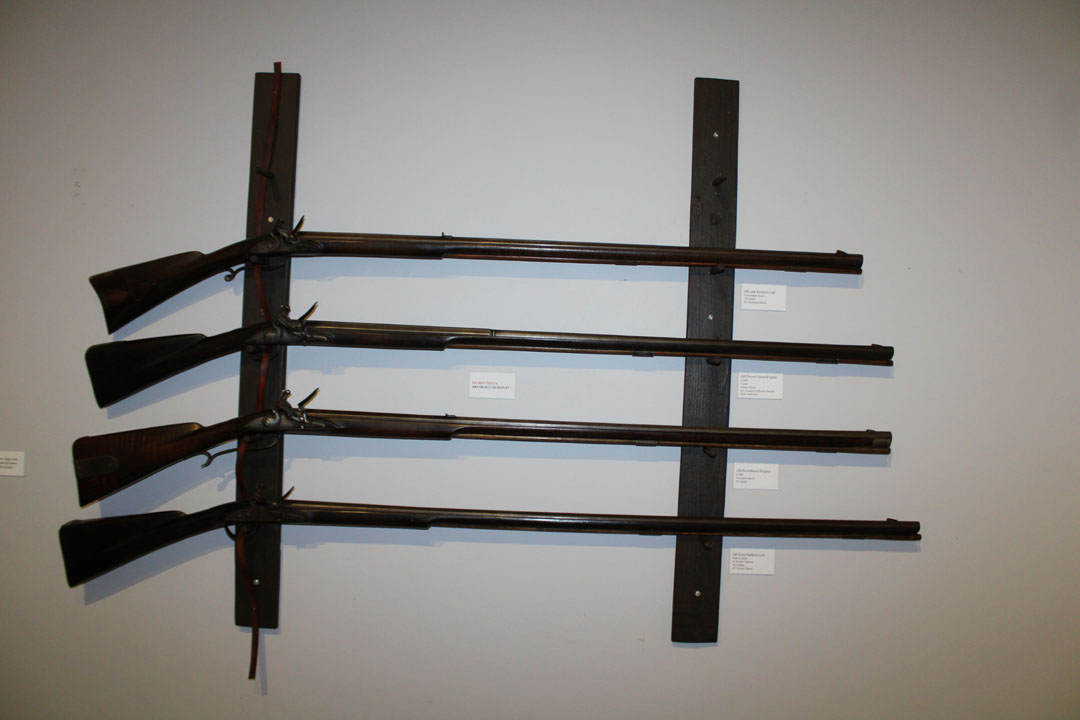
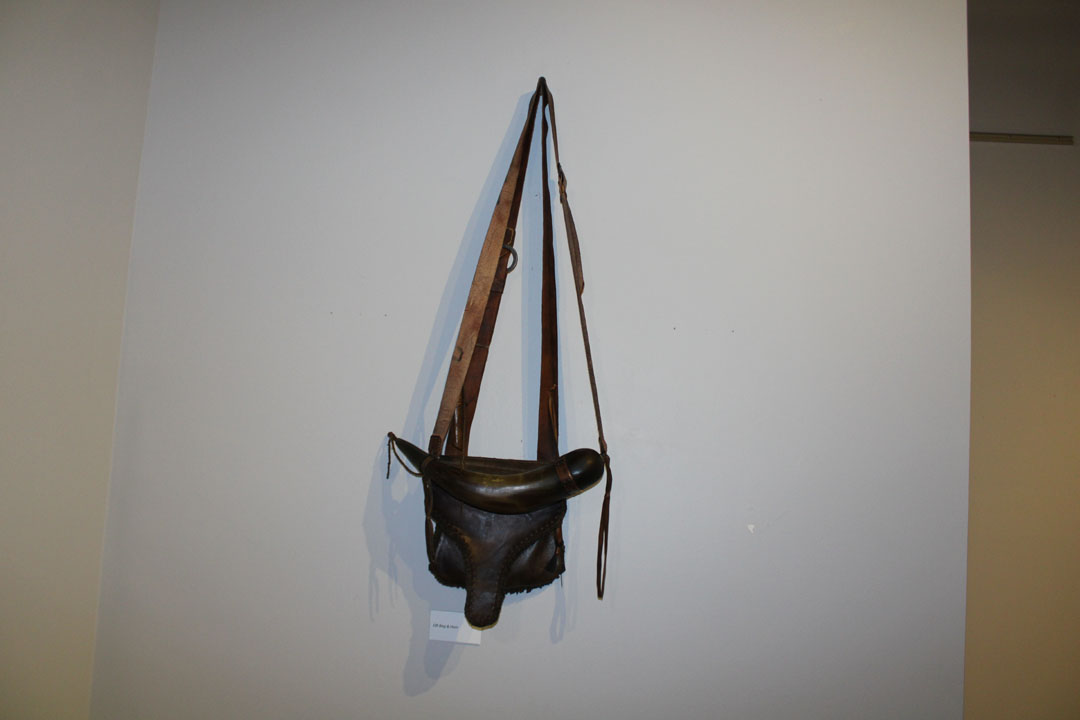
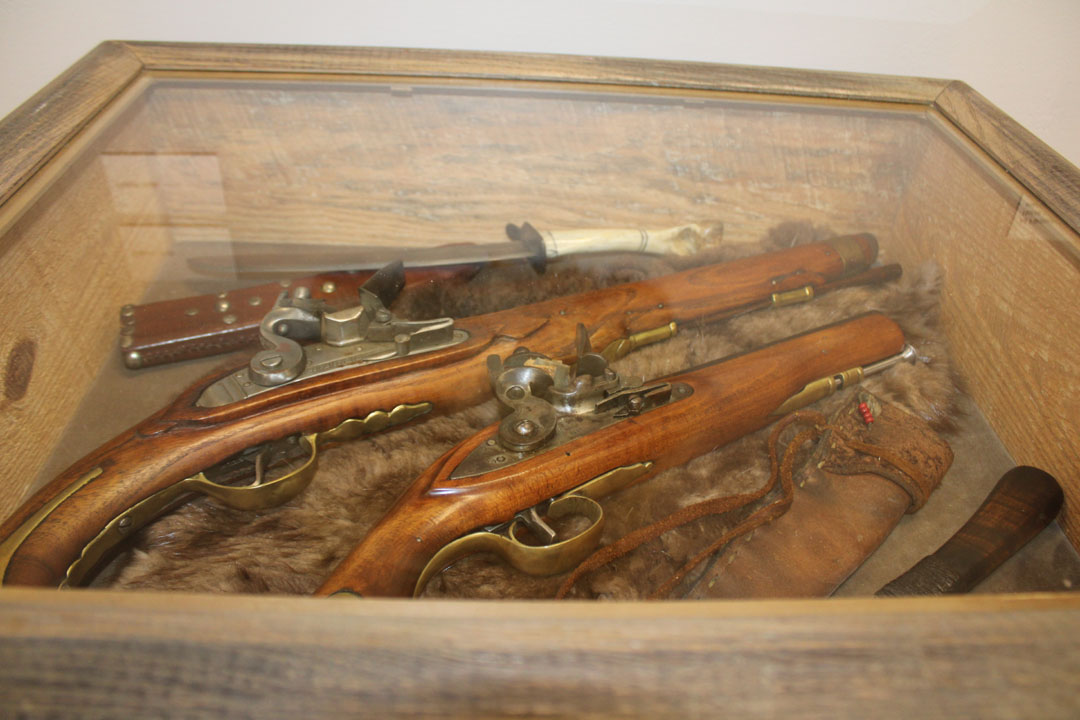
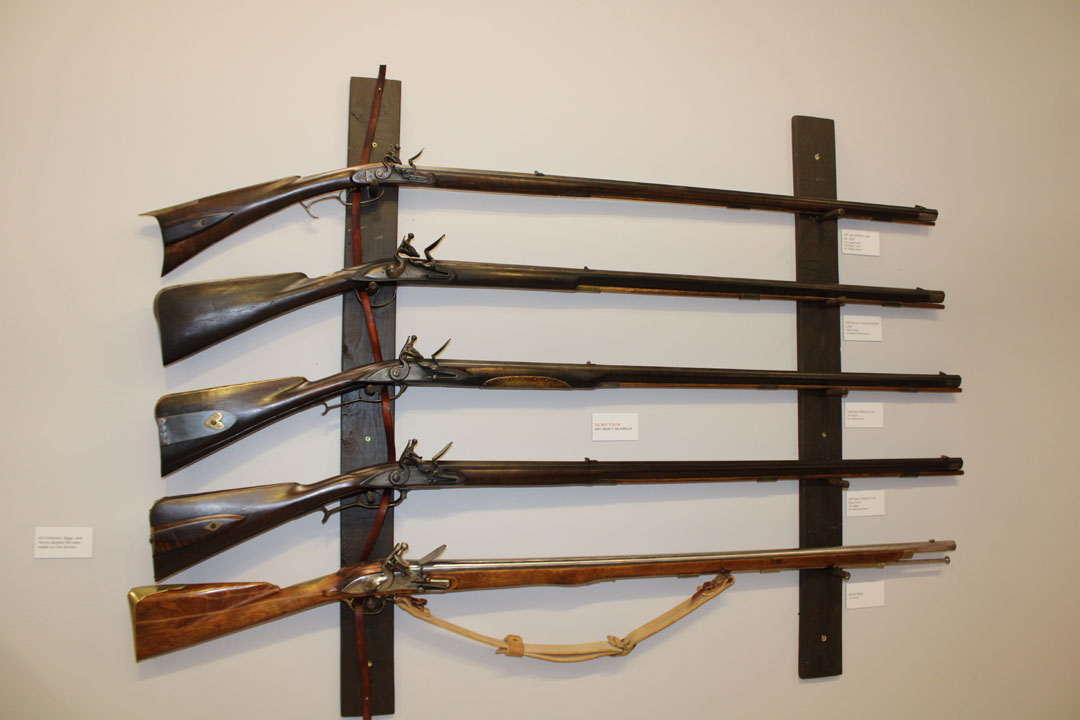
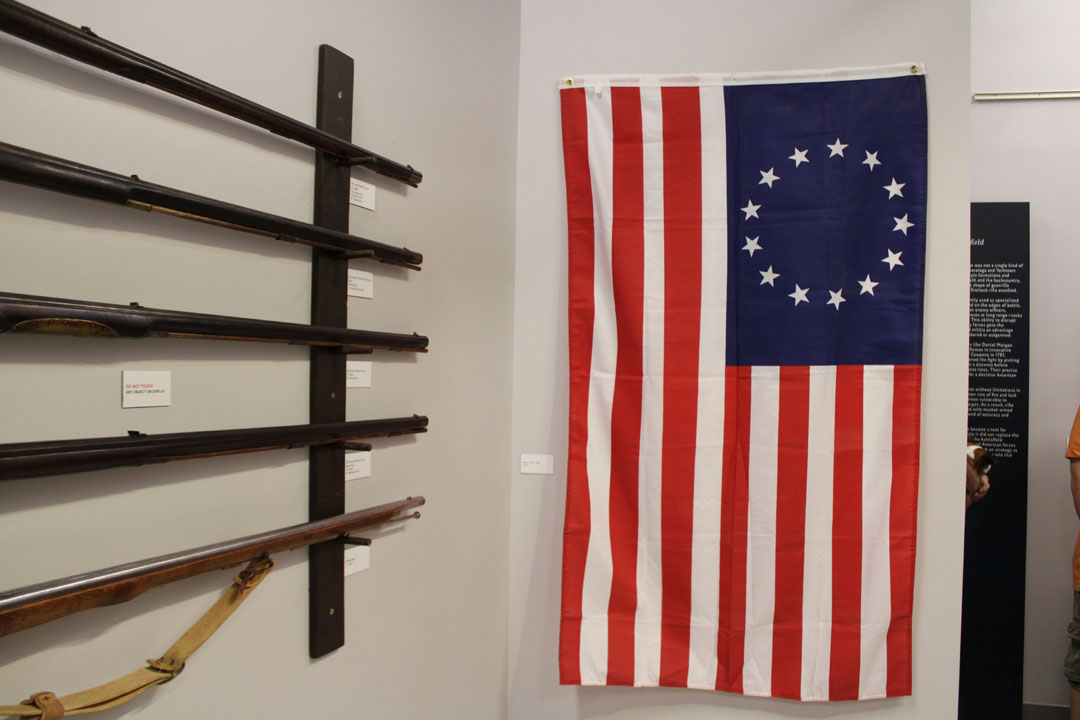
Firelocks of the American Revolution exhibit at the Pickens County Museum of Art & History displays Revolutionary War-era firearms from the personal collection of Ken Nabors: Nabors is honored by the Daughters of the American Revolution and the Pickens County 250 Committee during special event on Saturday, September 6
By Karen Brewer, Publisher & Editor, The Pickens County Chronicle
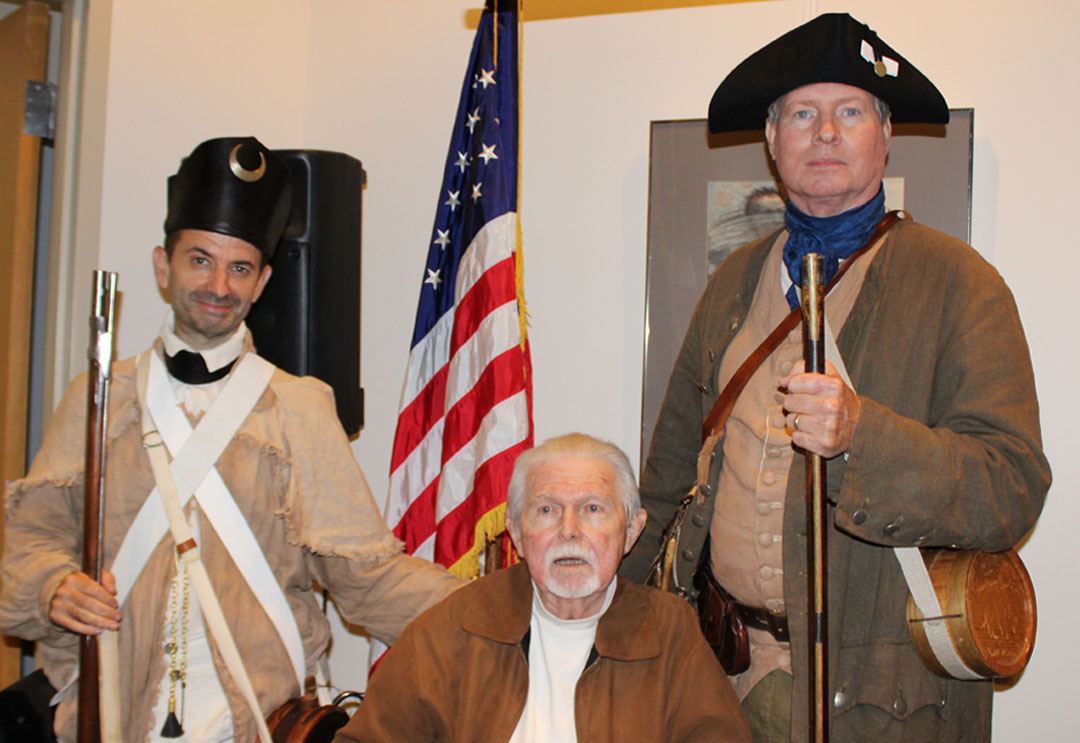
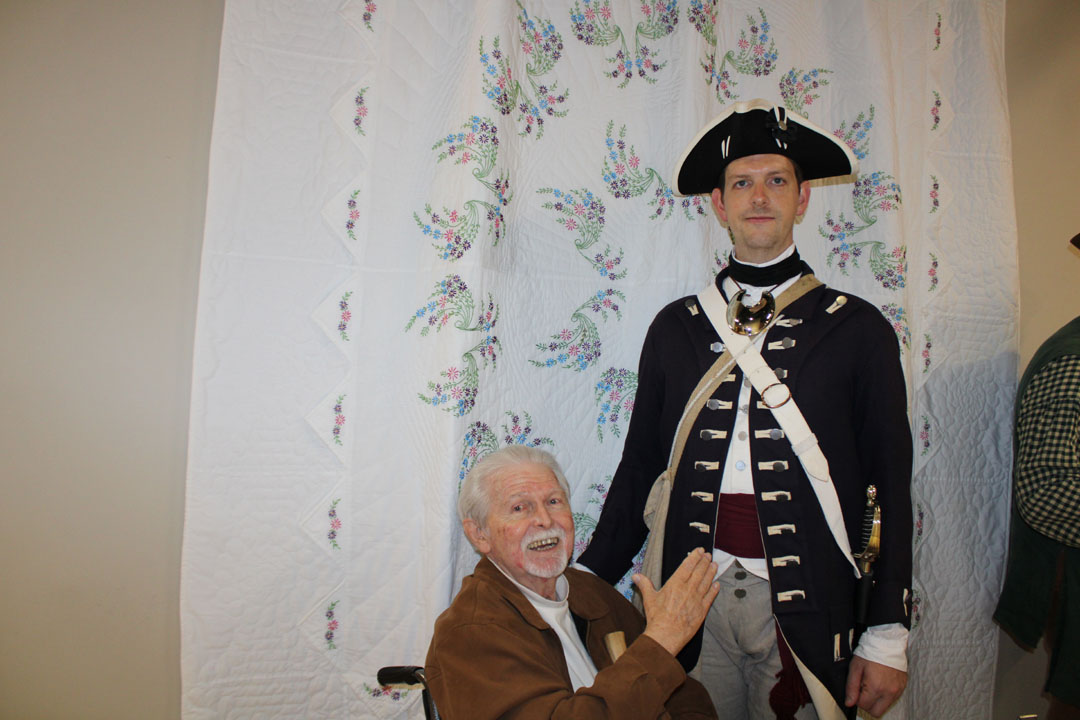
Pictured left to right are David Gillespie, Ken Nabors, and Bill Williamson following the September 6, 2025 opening reception for Firelocks of the American Revolution, an exhibit from Nabors' personal collection on display at the Pickens County Museum of Art & History. (Photo by Karen Brewer, The Pickens County Chronicle)
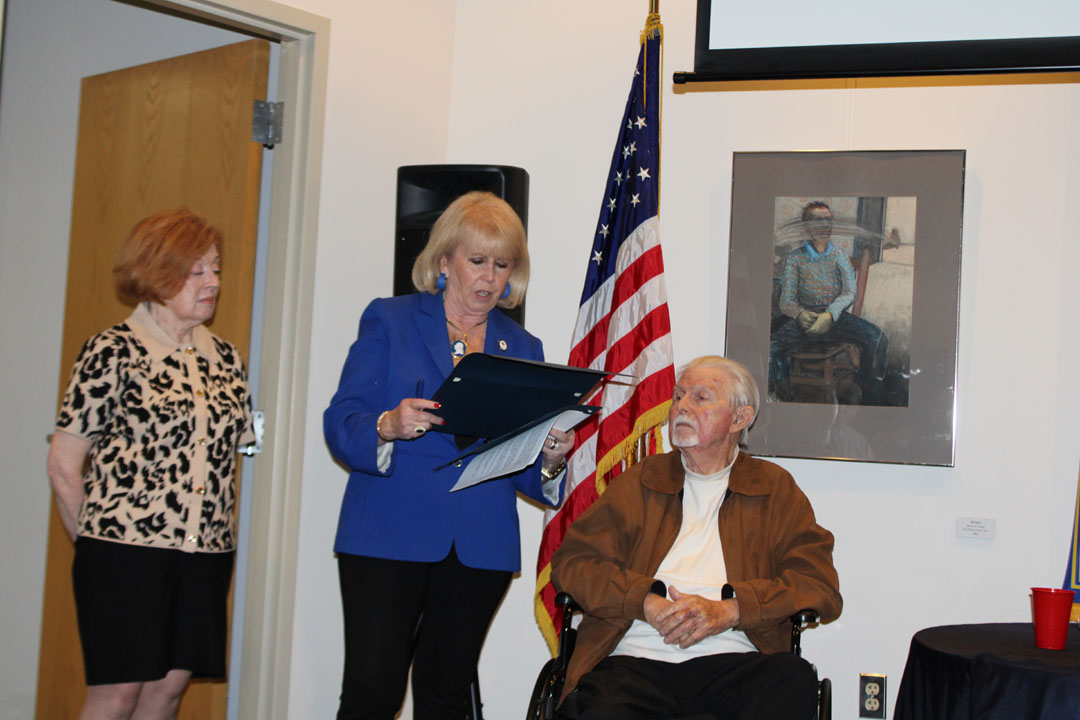
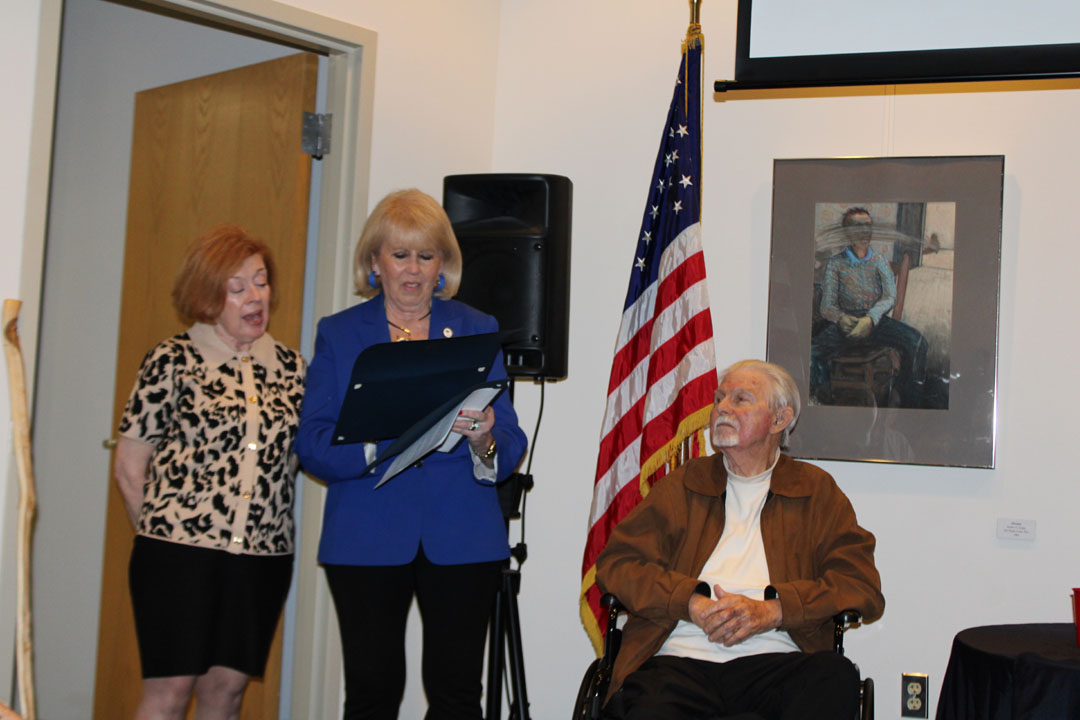
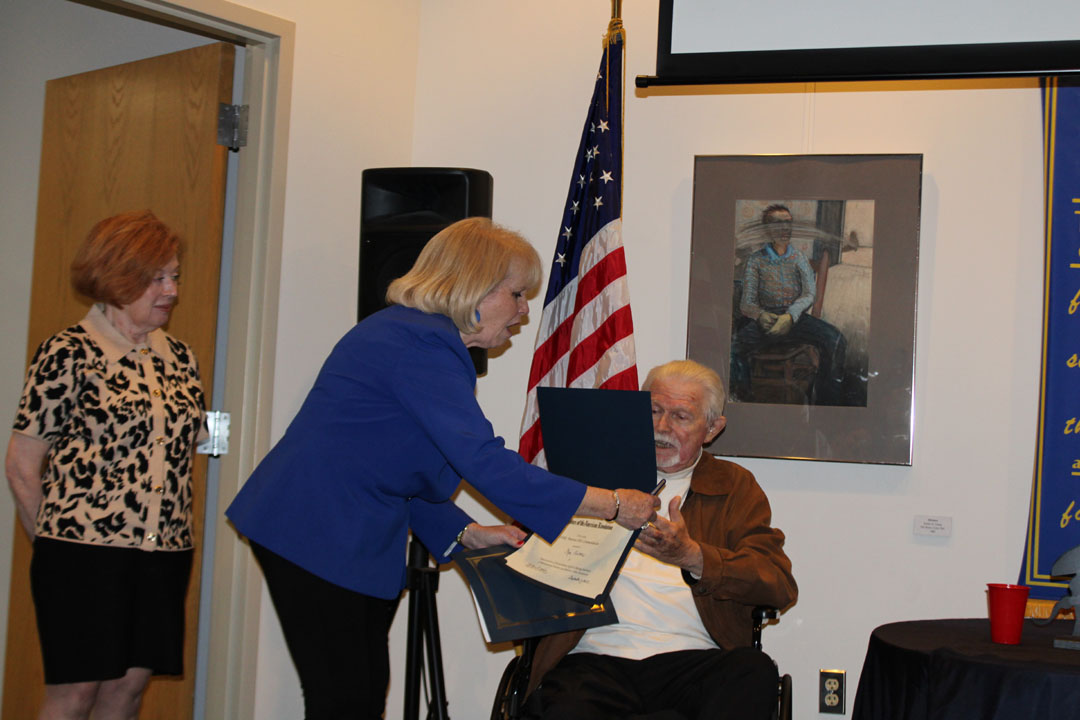
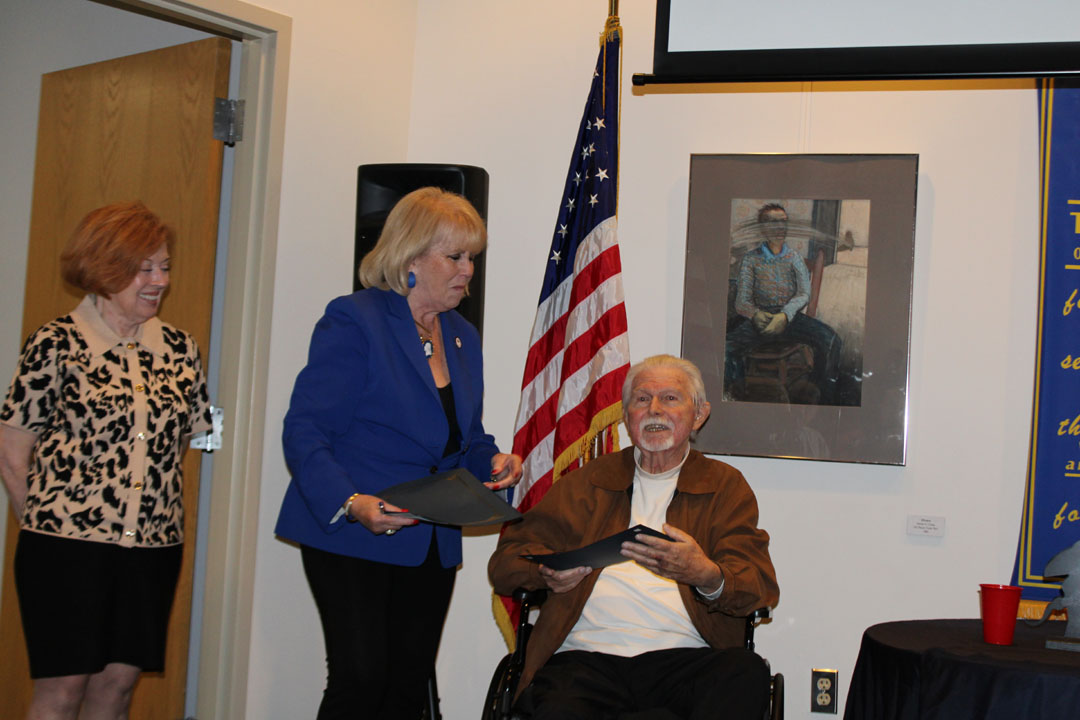
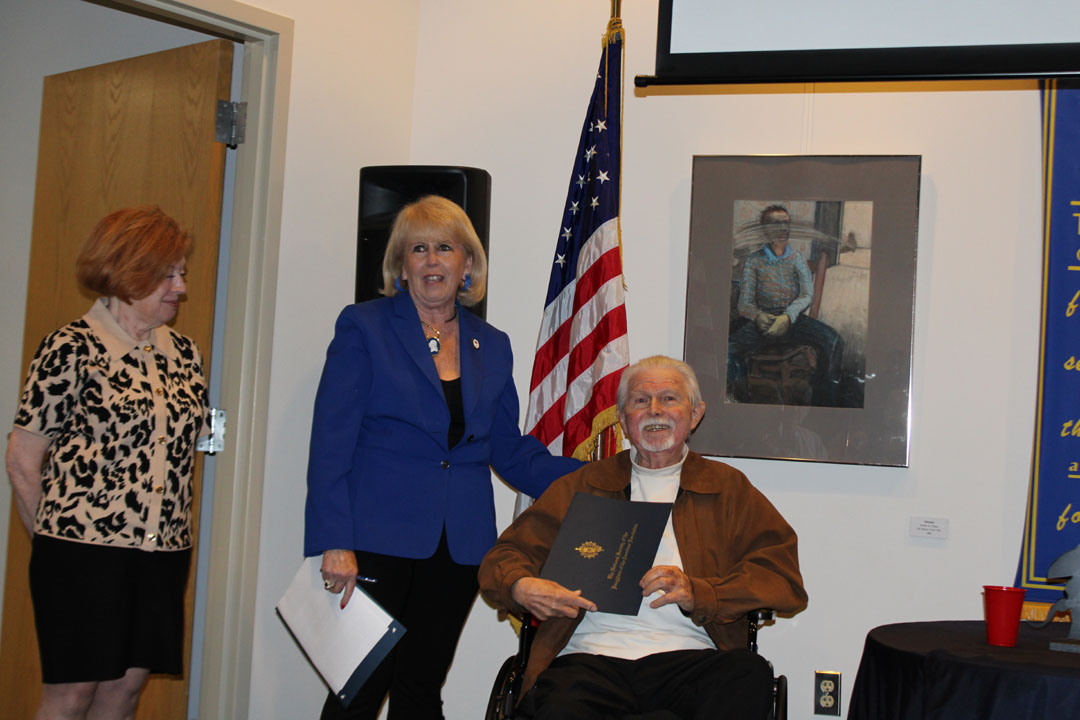
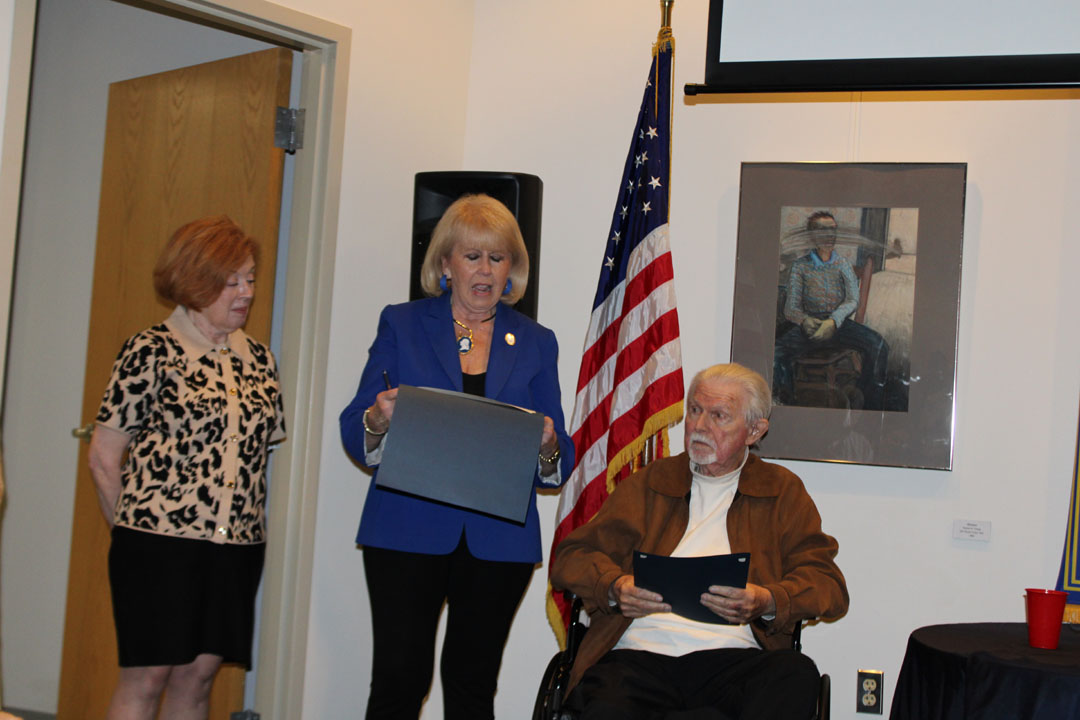
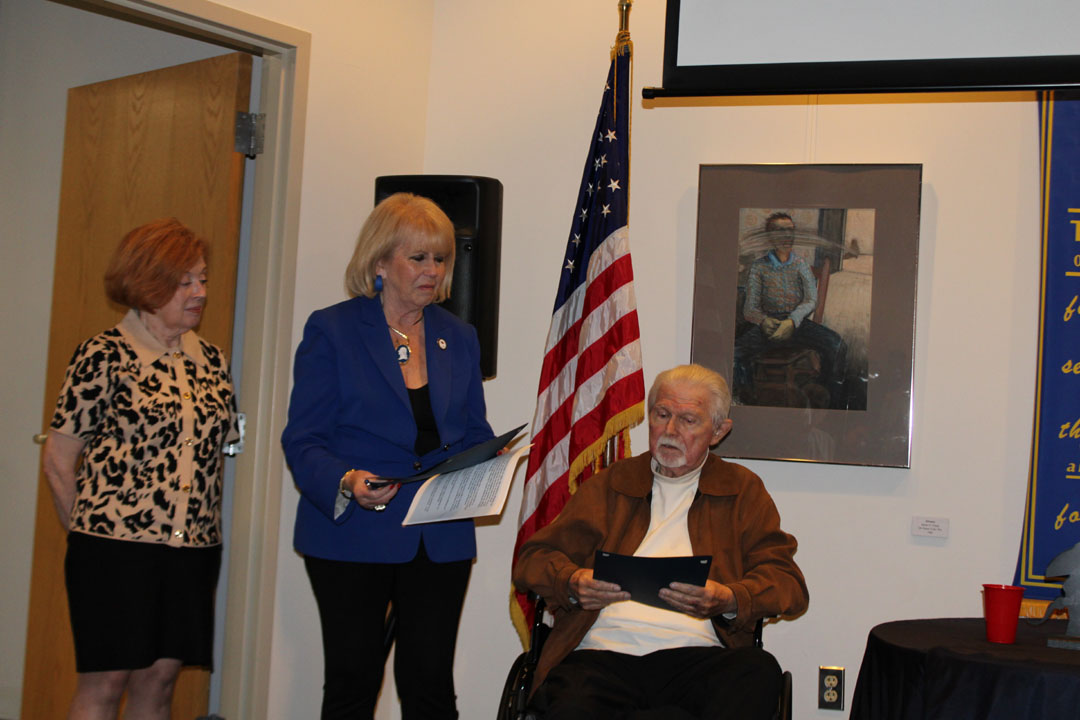
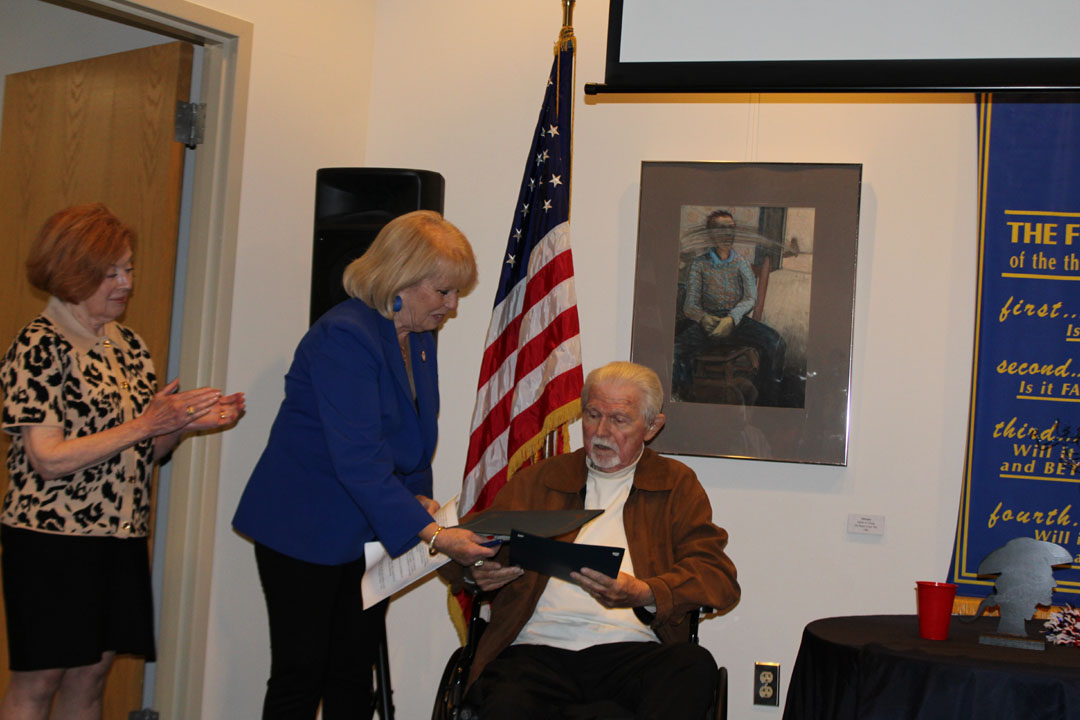
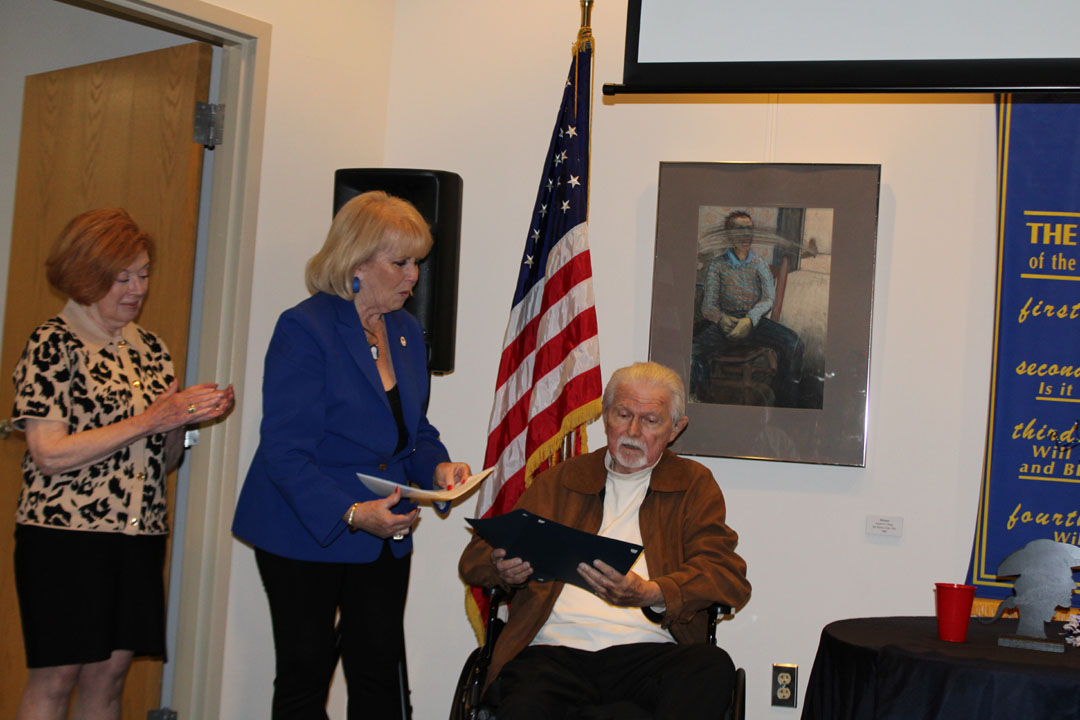
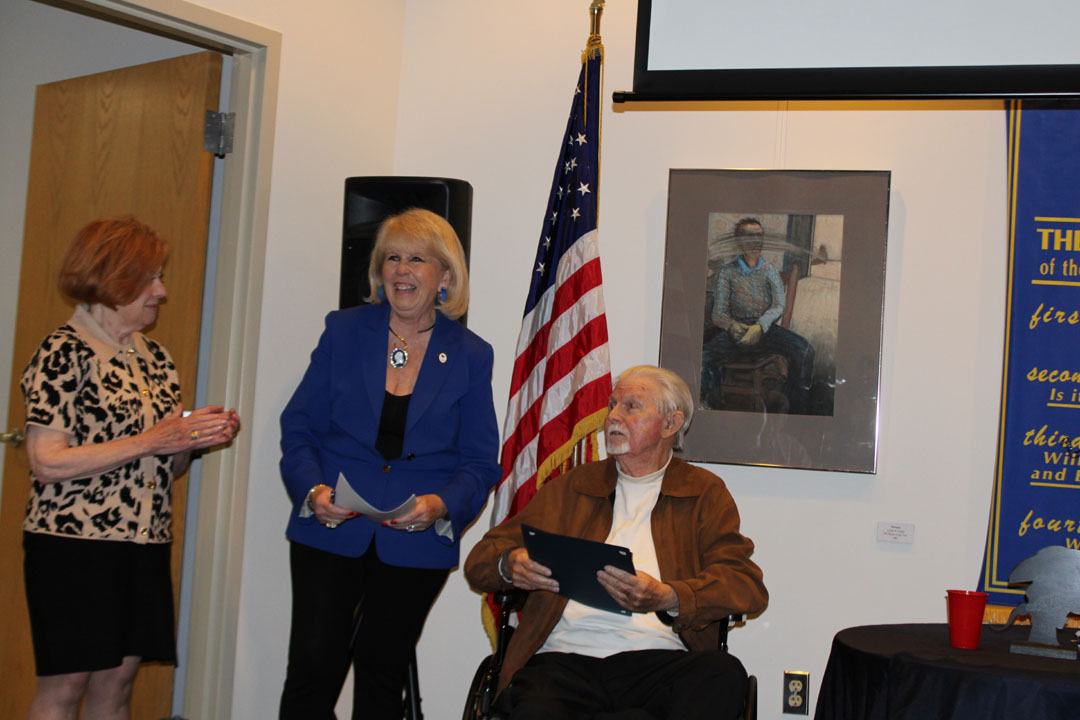
Joyce Hansel (left) and Carolyn Nations present Ken Nabors with a certificate of appreciation from the Daughters of the American Revolution and from the Pickens County 250 Committee. (Photos by Karen Brewer, The Pickens County Chronicle)
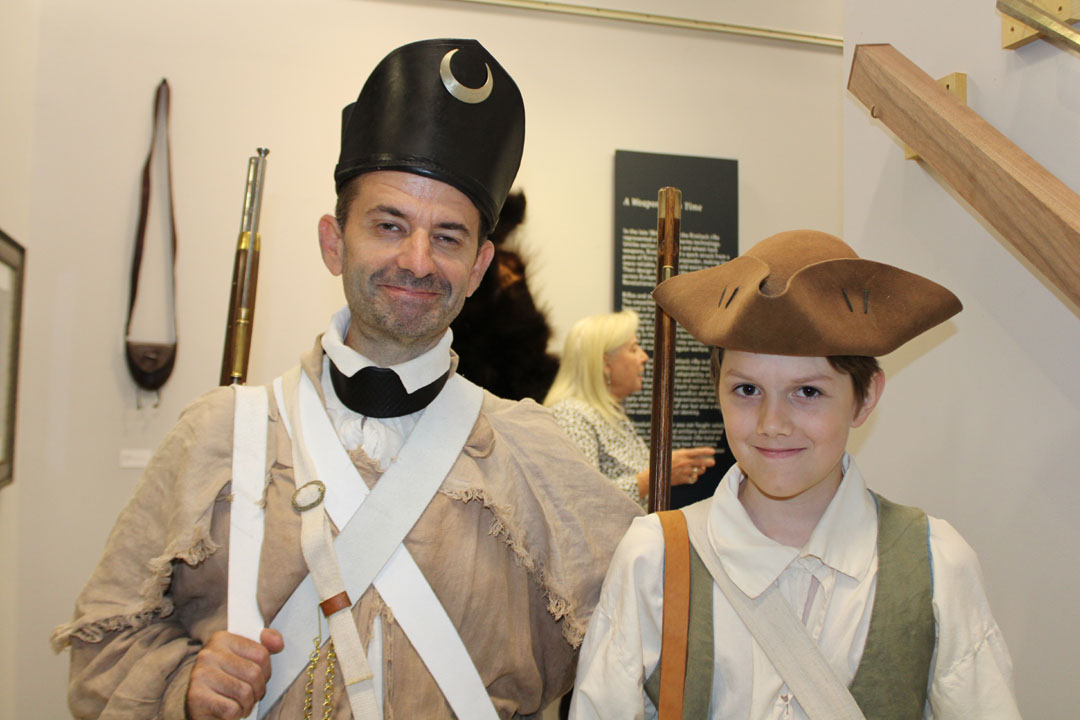
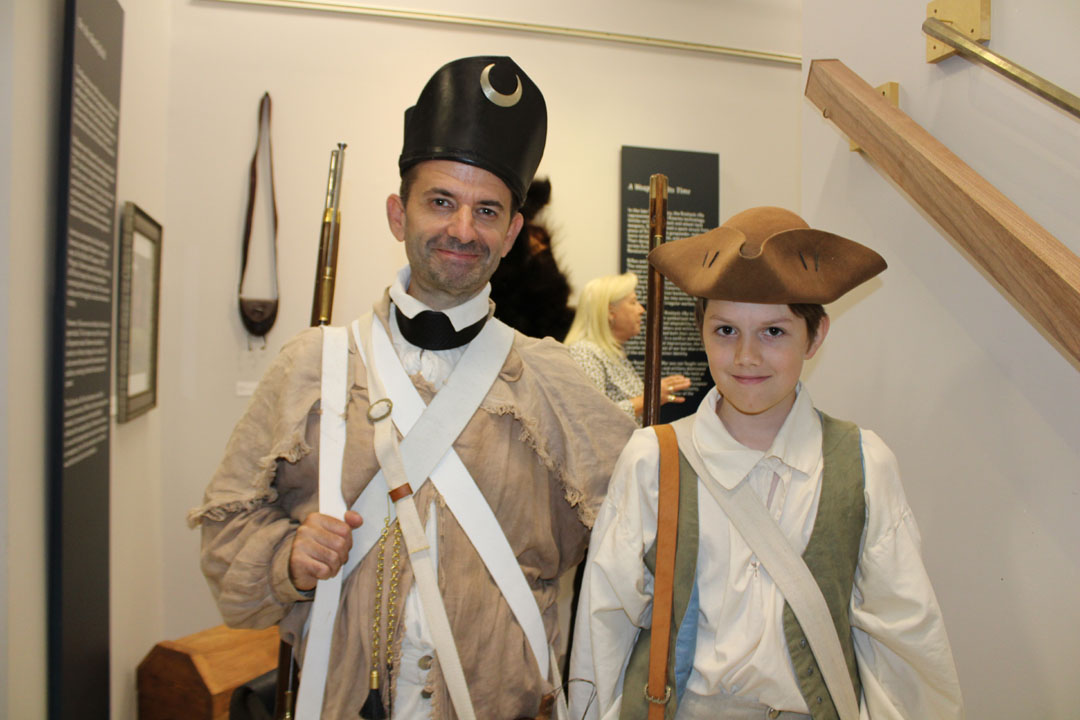
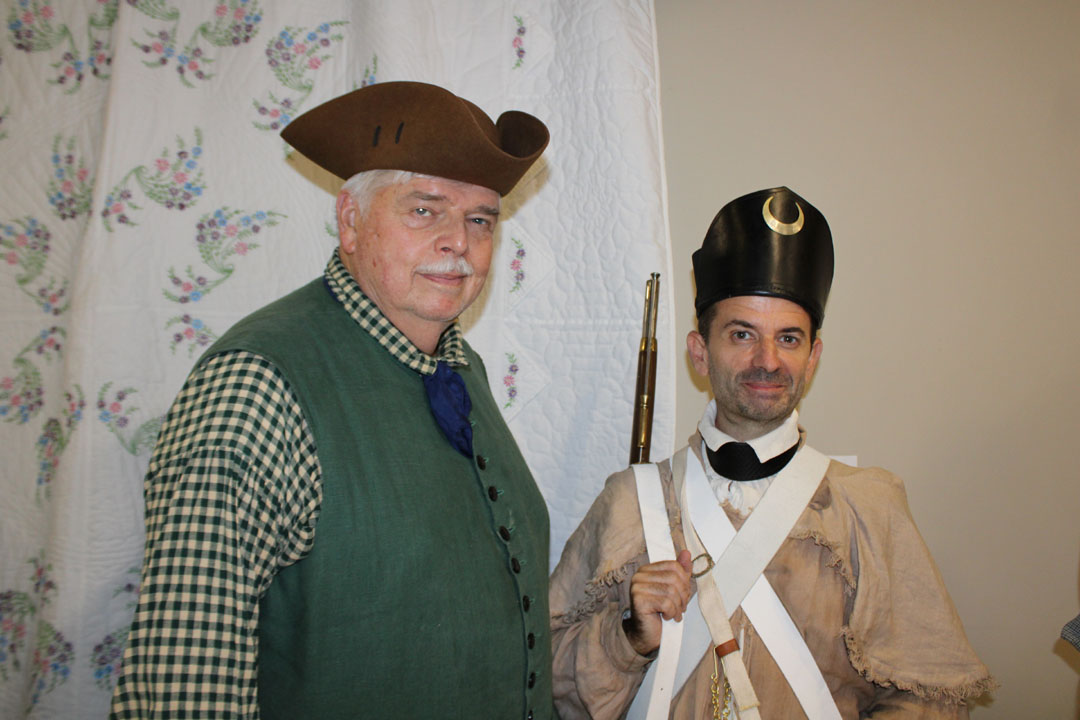
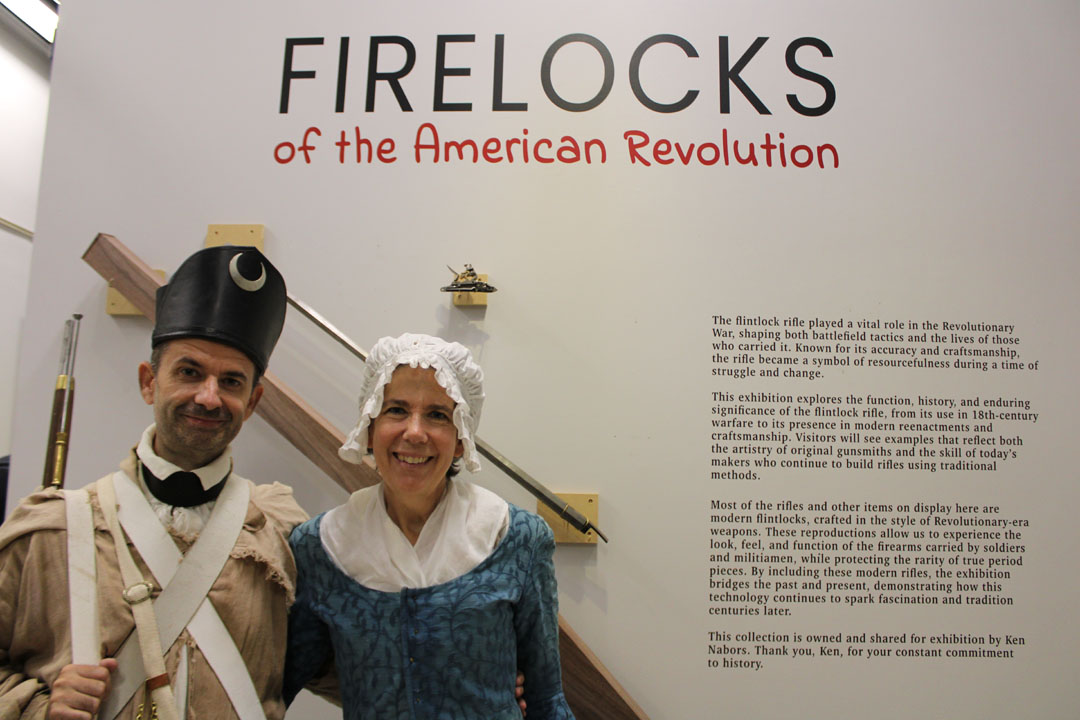
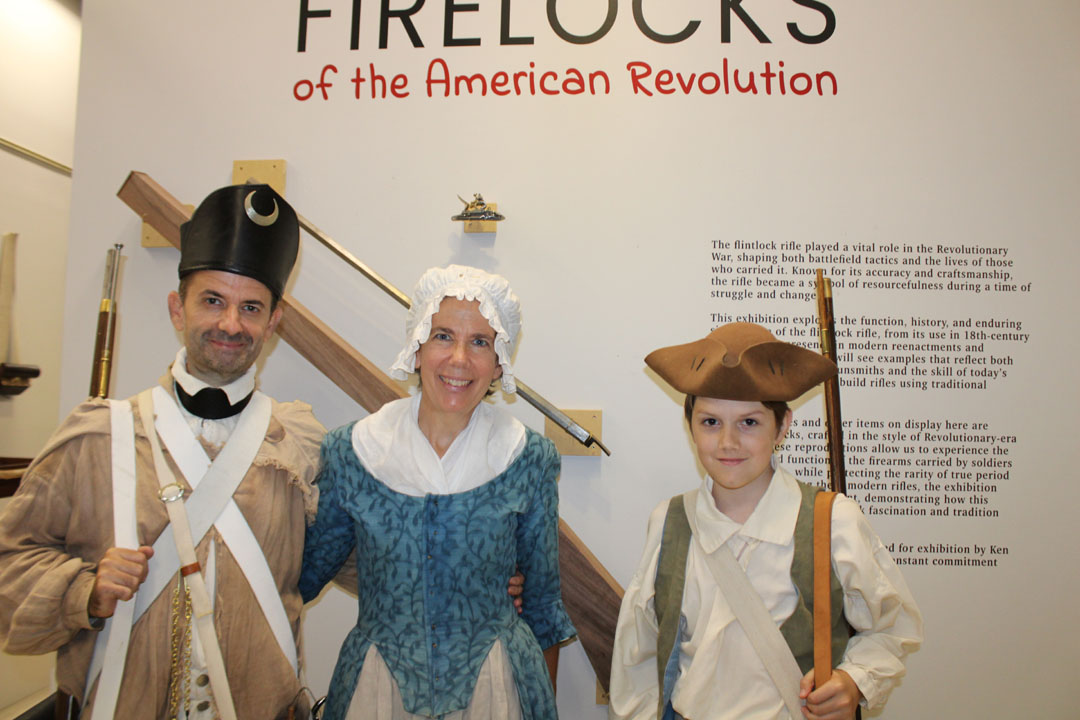
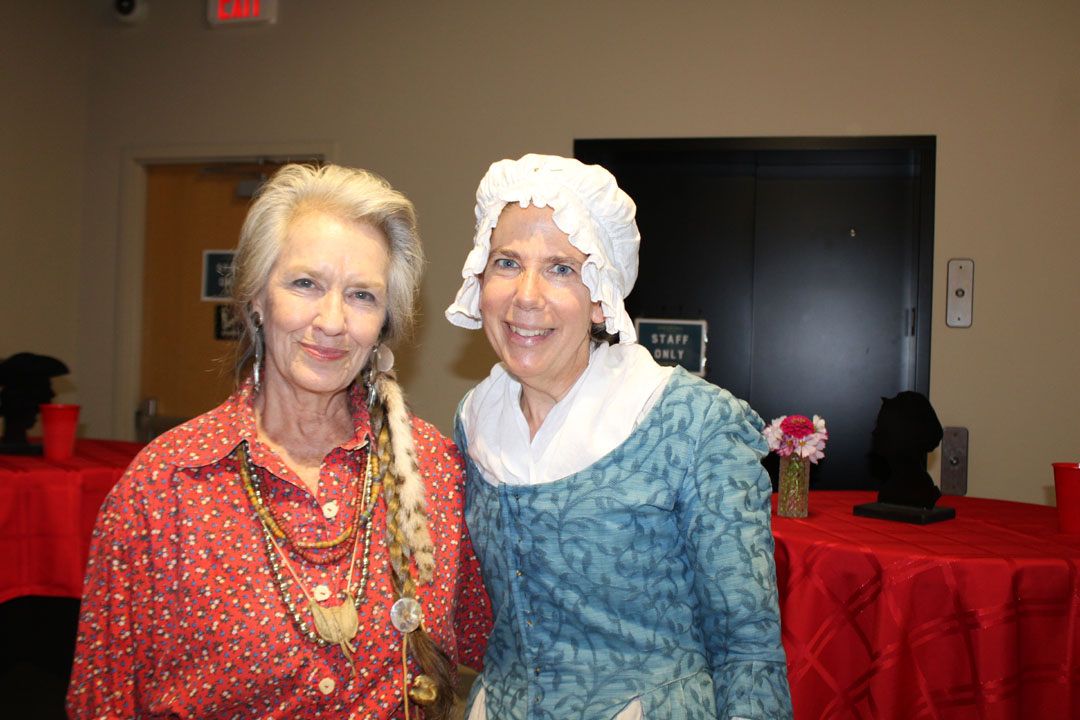
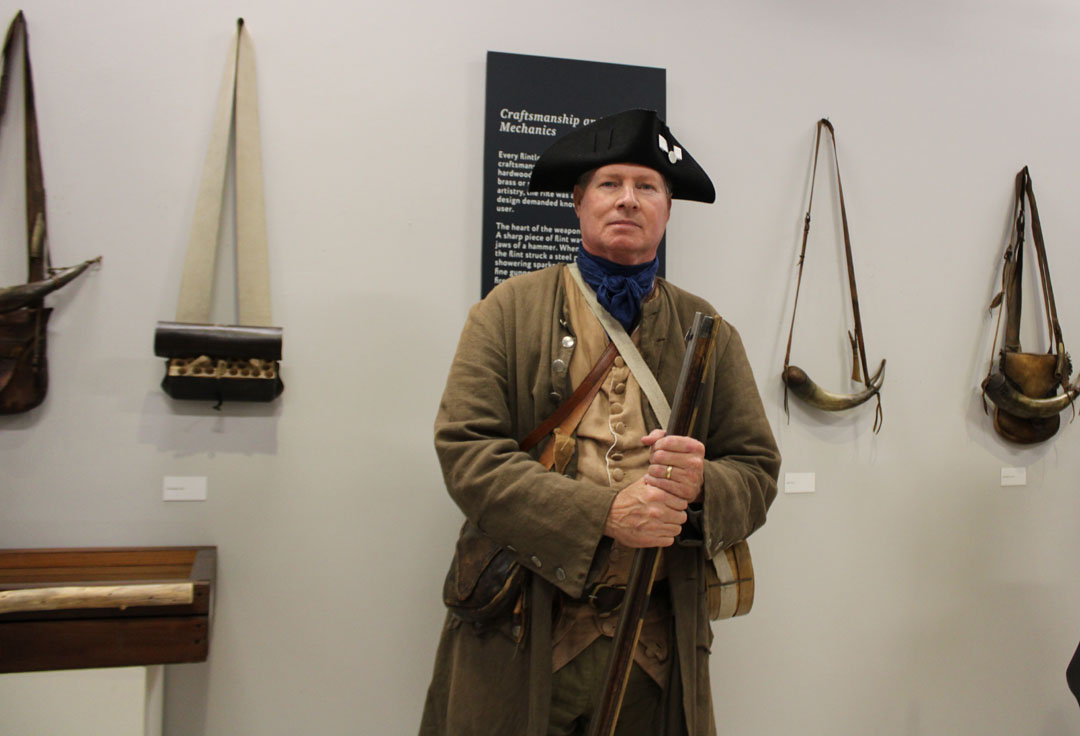
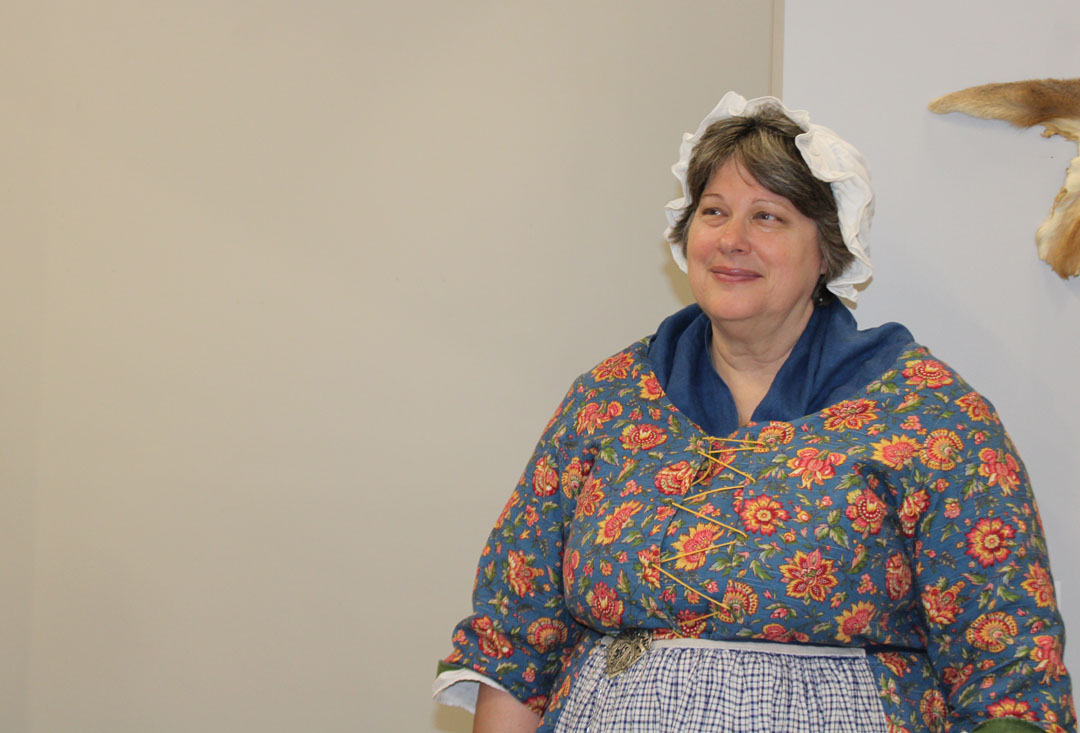
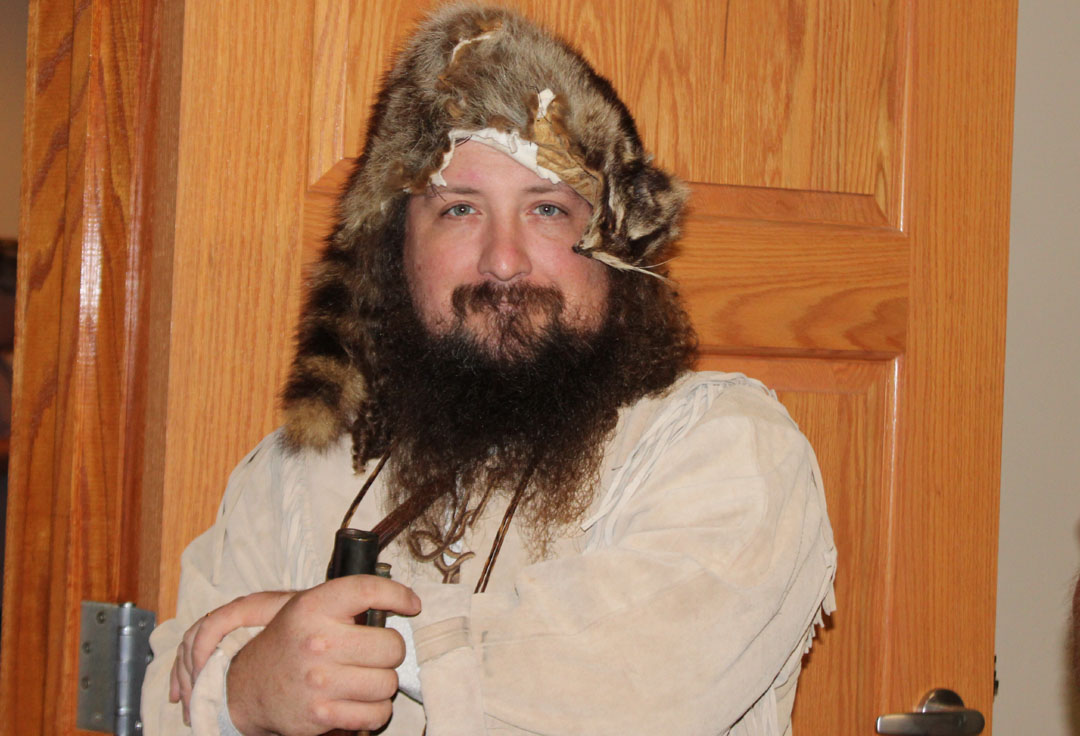
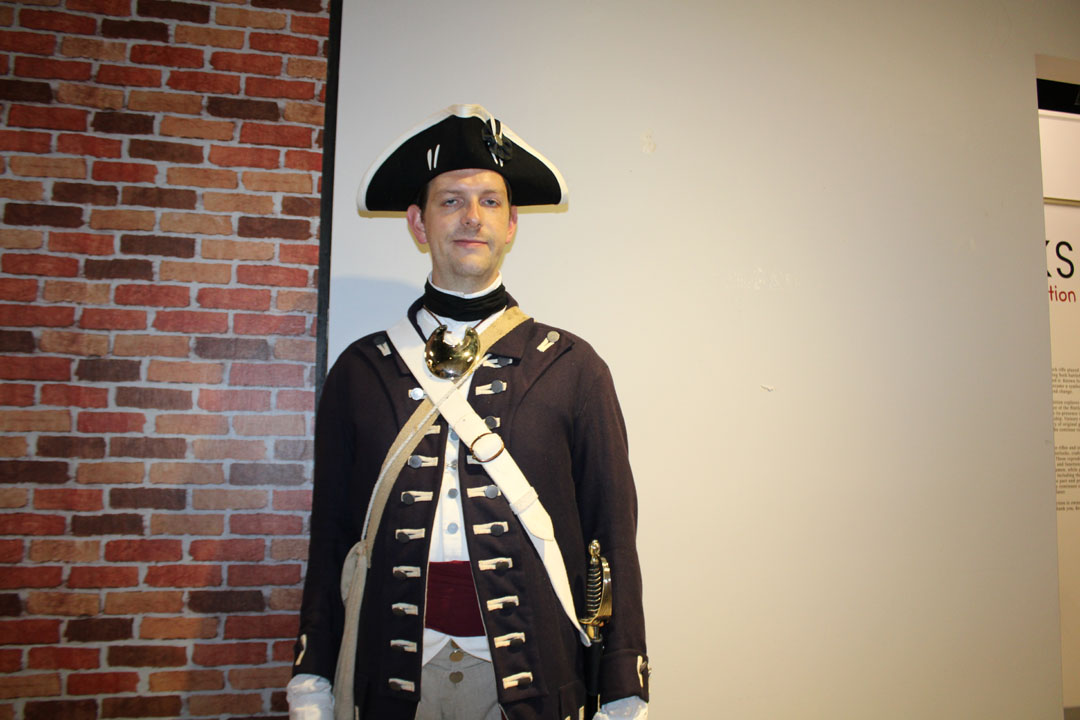
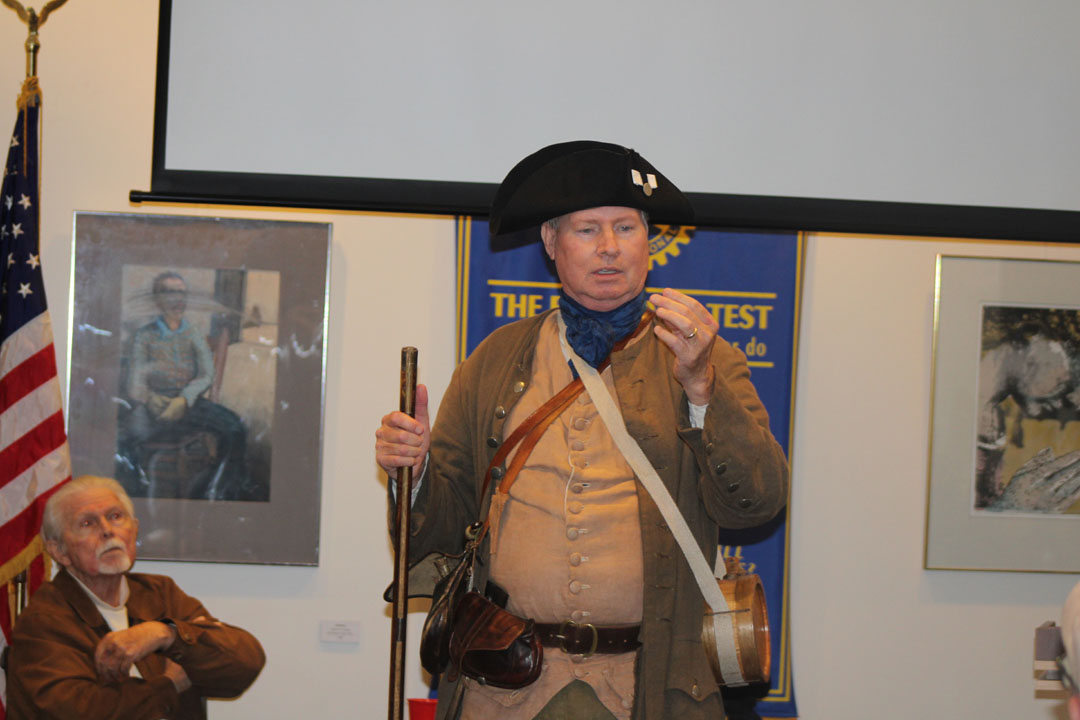
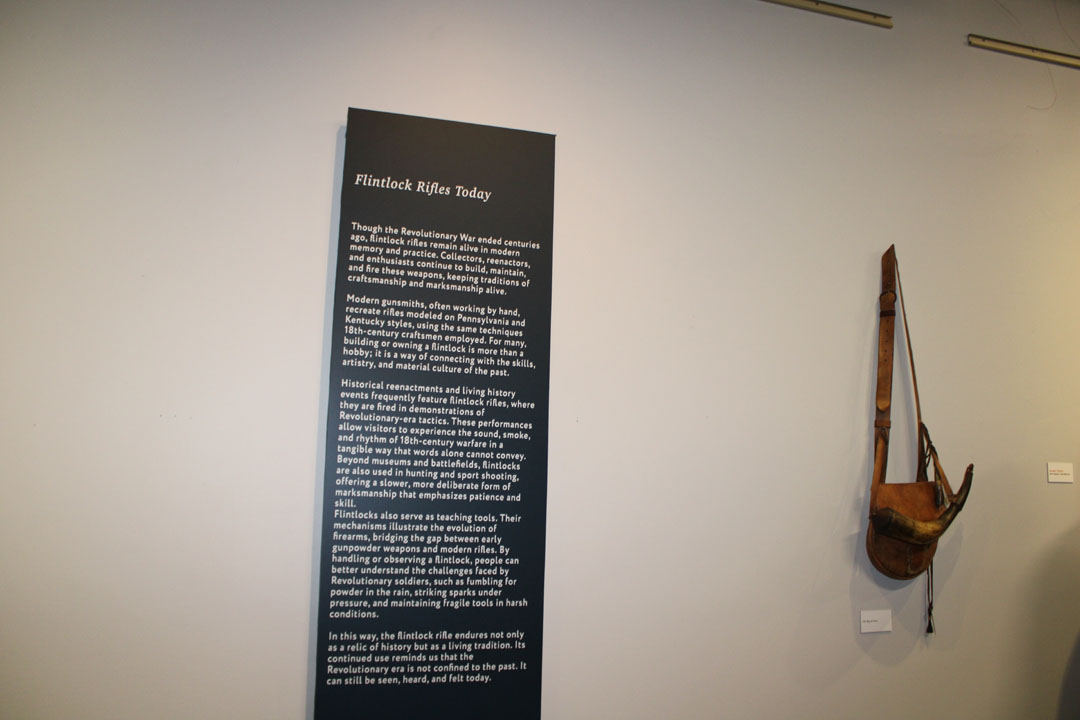
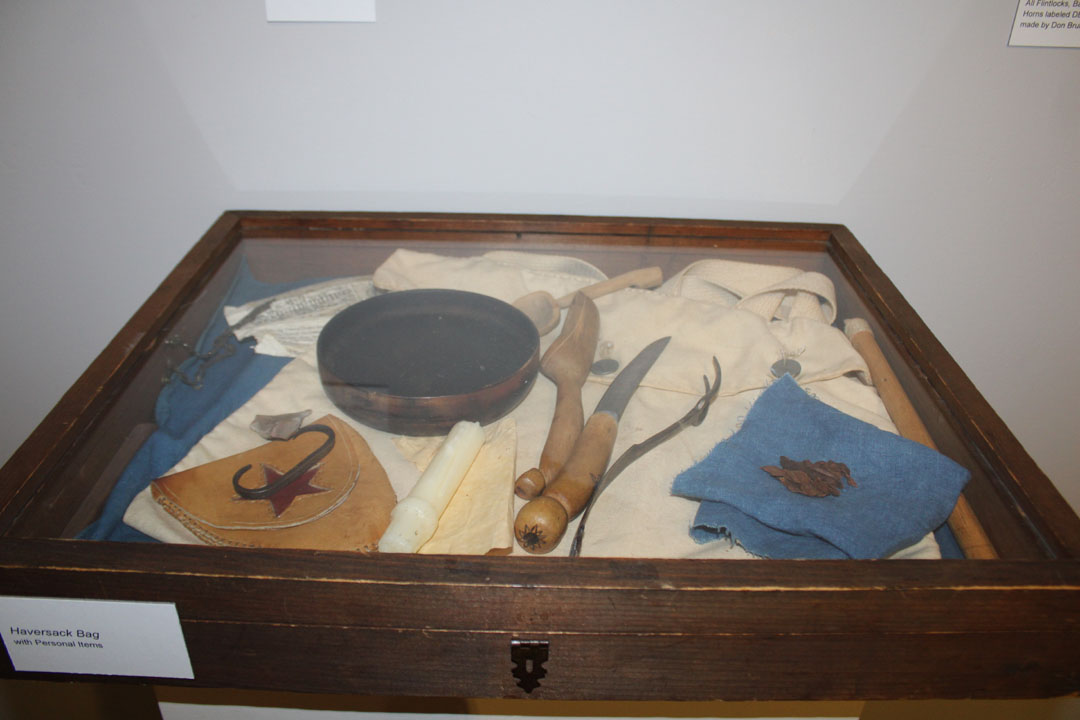
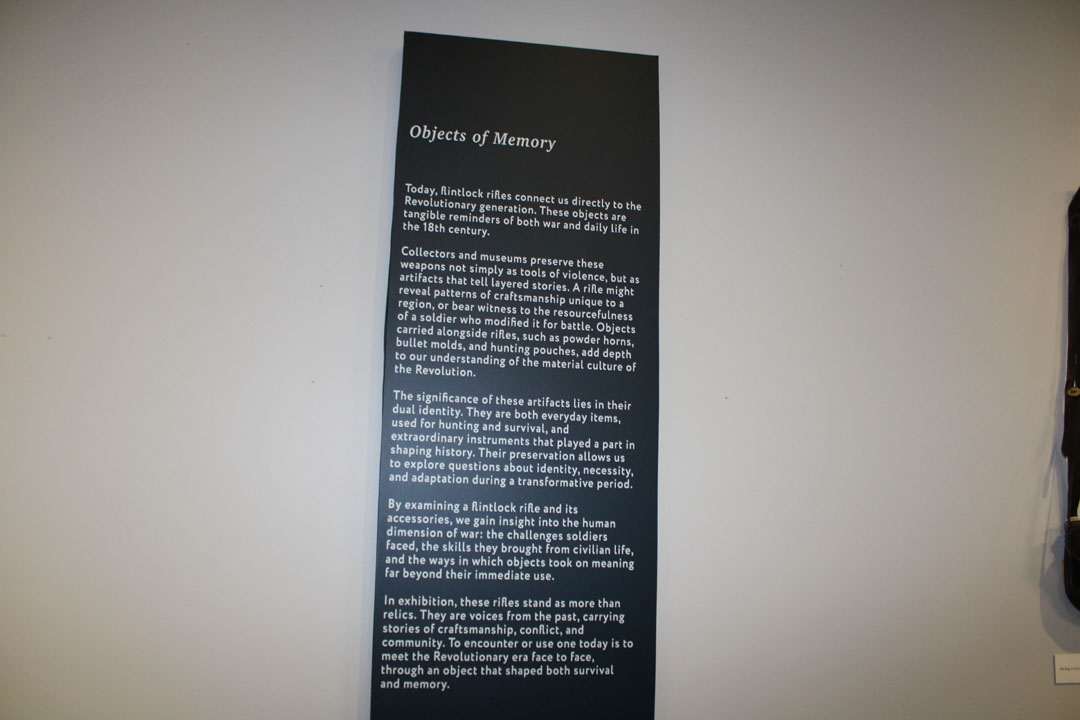
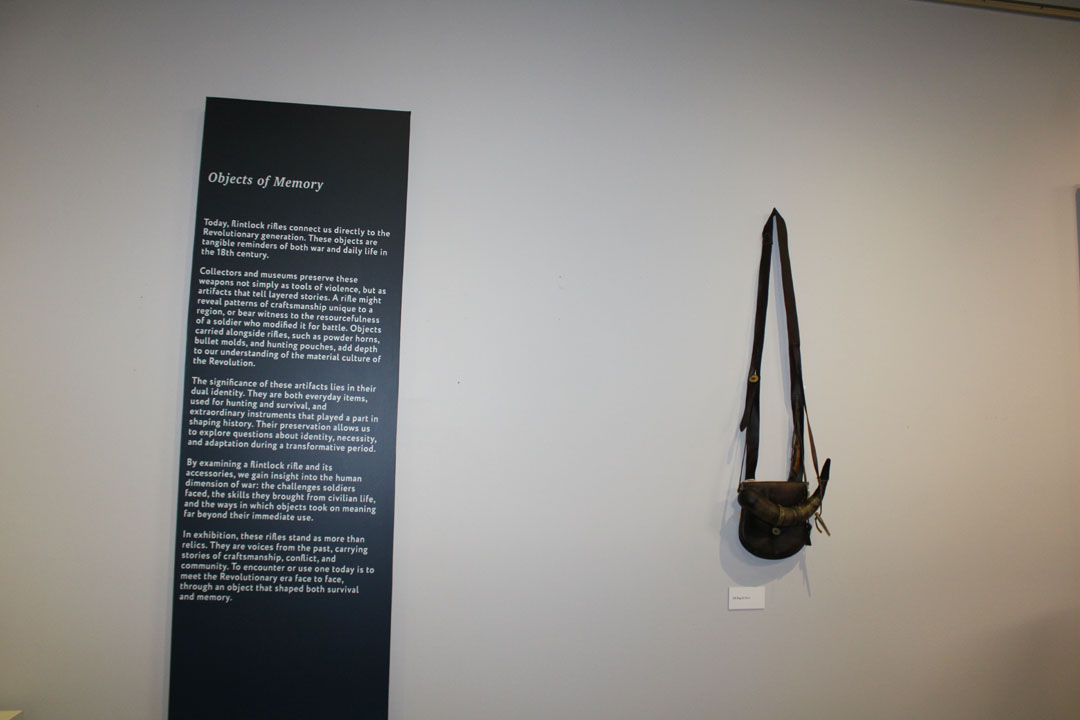
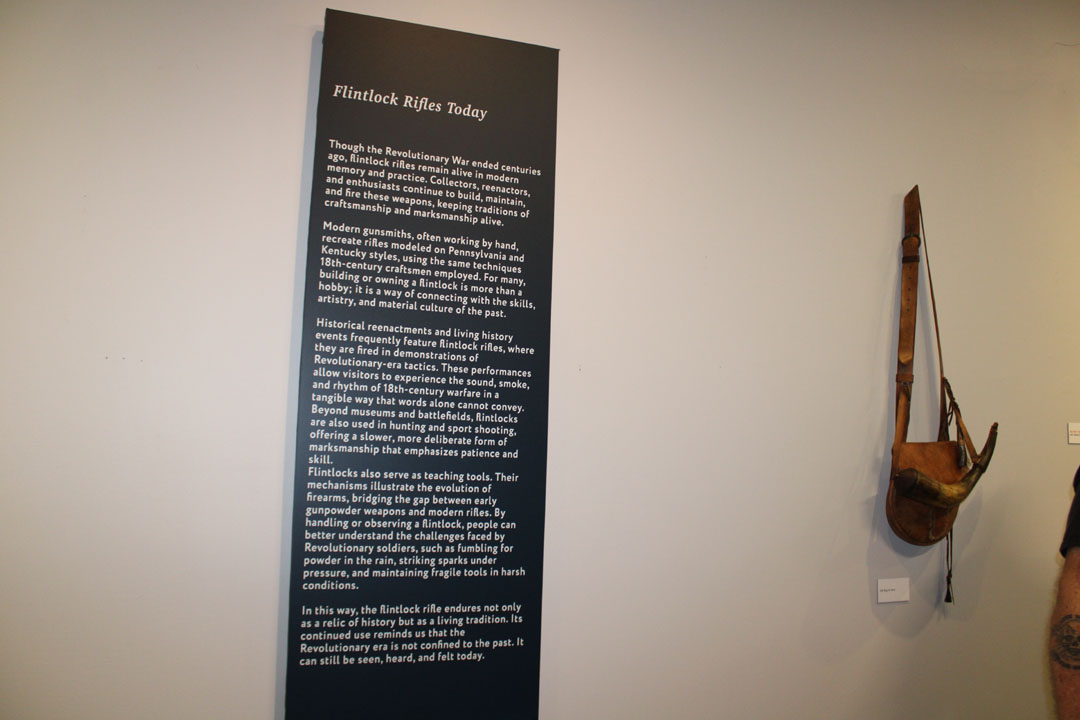
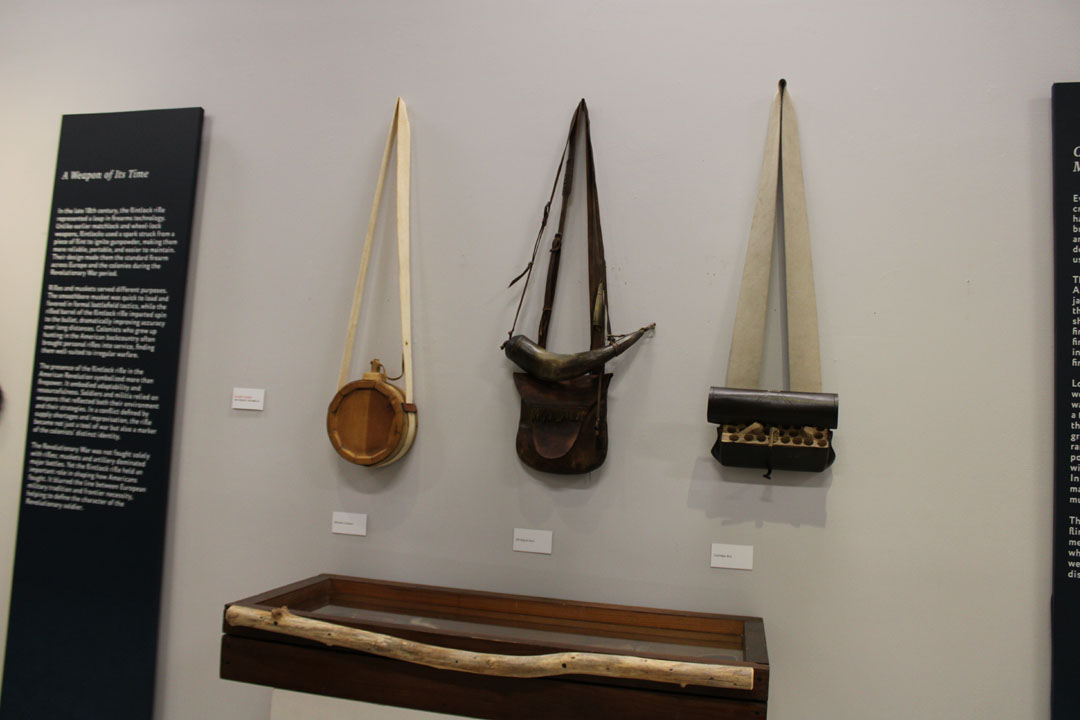
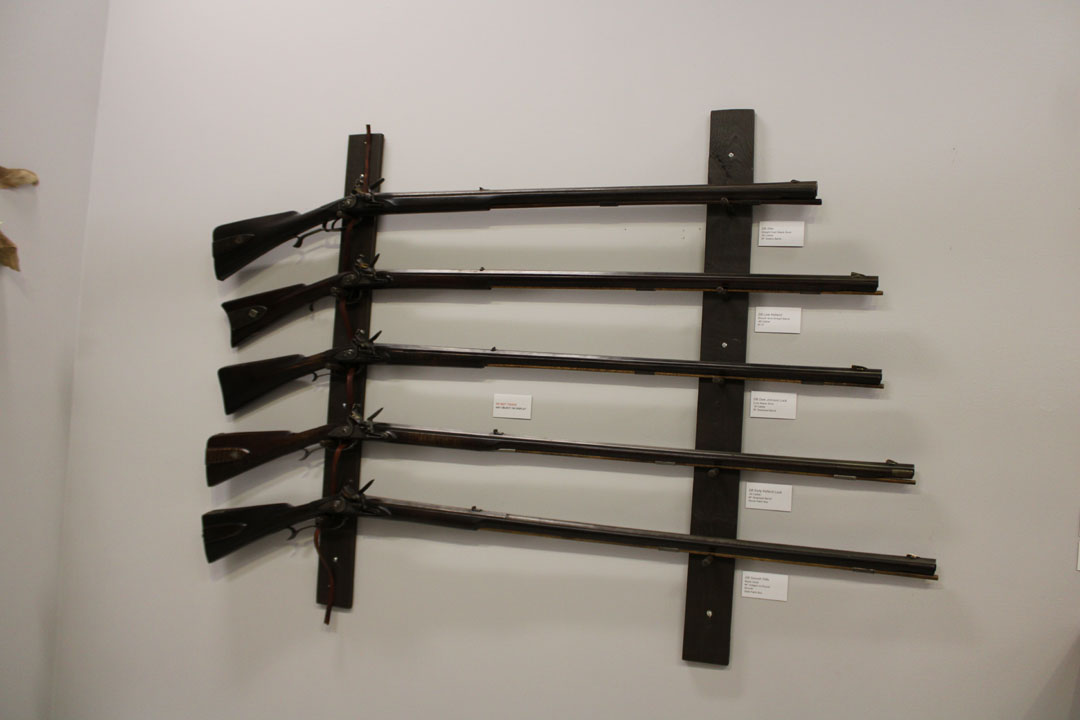
Revolutionary War-era rifles, pistols, and powder horns from the personal collection of Ken Nabors were on display at the Pickens County Museum of Art and History during a special event the evening of Saturday, September 6, 2025. A reception was held for ‘Firelocks of the American Revolution’ from 4 p.m. to 6 p.m., with Ken Nabors, longtime President of the Pickens County Historical Society, in attendance and interpreters dressed in Revolutionary War-era clothing, including, as General Andrew Pickens, Stephen Huffman, who is a direct descendant of Andrew Pickens’ first cousin. Nabors, Bill Williamson, and David Gillespie were speakers at the event.
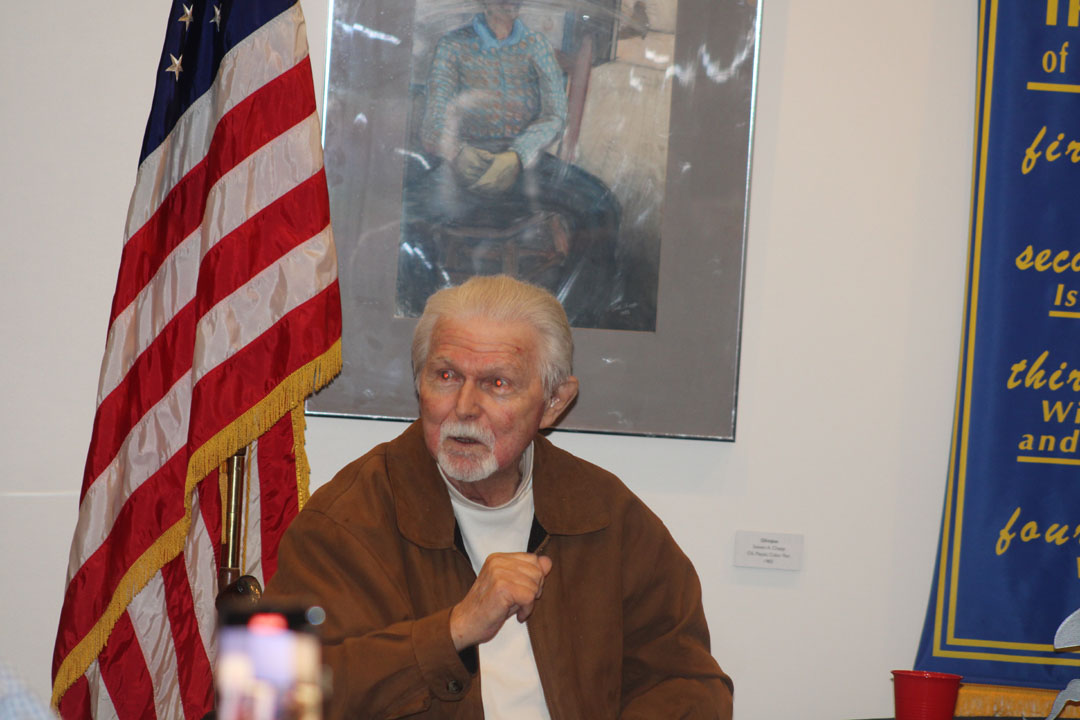
Prior to the start of the opening reception, Nabors spoke with The Pickens County Chronicle. “Don and Joy (Evans) are the ones who put this on. I’ve dabbled in the Revolution, off and on. Eric (Williams) is a retired park range from Ninety Six. He ‘took me in’ 30 something years ago and got involved in Revolutionary War stuff. Don and Joy wanted to do this for the 250 Committee, and Carolyn (Nations) said that would be good. Years ago, we did one, and it was called Lock, Stock, and Barrel, and it was a successful show. We had to come up with a different name. In that day and time, they did not call them flintlocks. They were firelocks. So, that’s why we called it Firelocks of the American Revolution.”
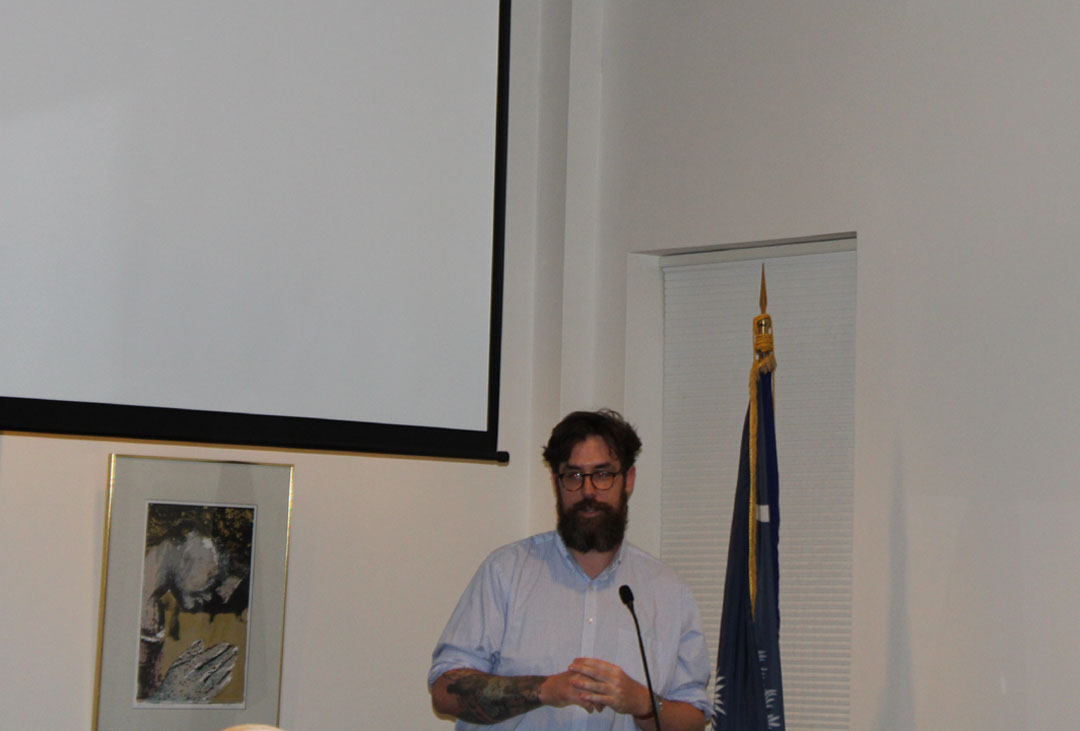
After a crowd of attendees viewed the exhibit, the crowd gathered in the museum’s meeting room, where Nick McKinney, Director of the Pickens County Museum of Art & History, thanked everyone for coming and supporting the event, and Nabors, Bill Williamson, and David Gillespie spoke.
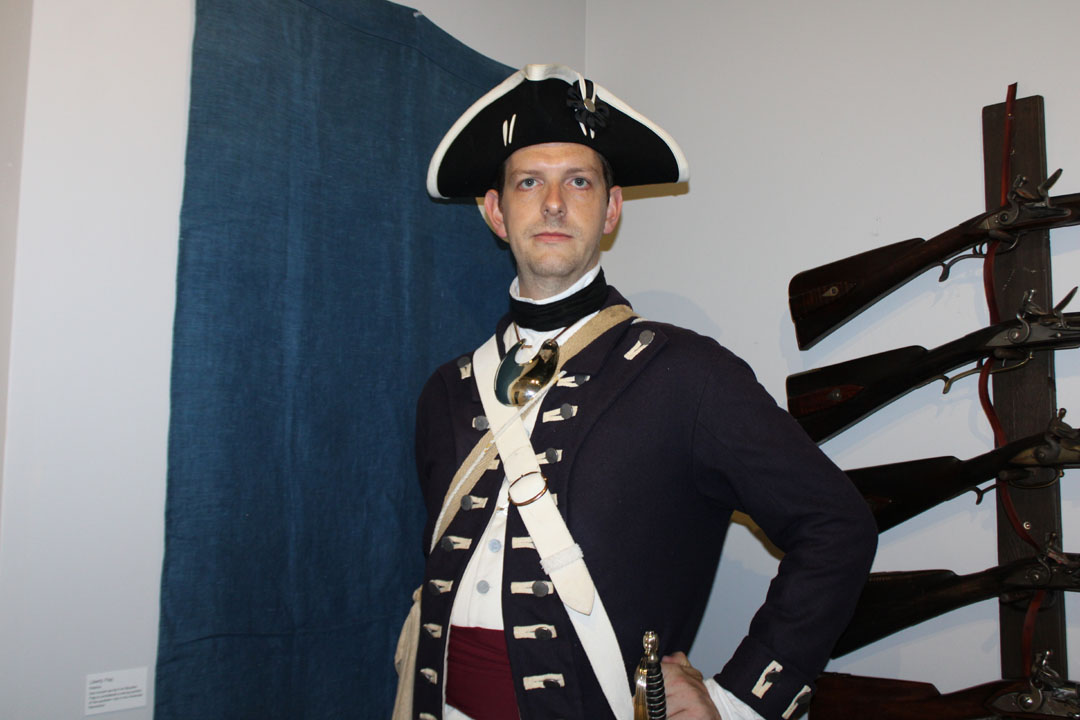
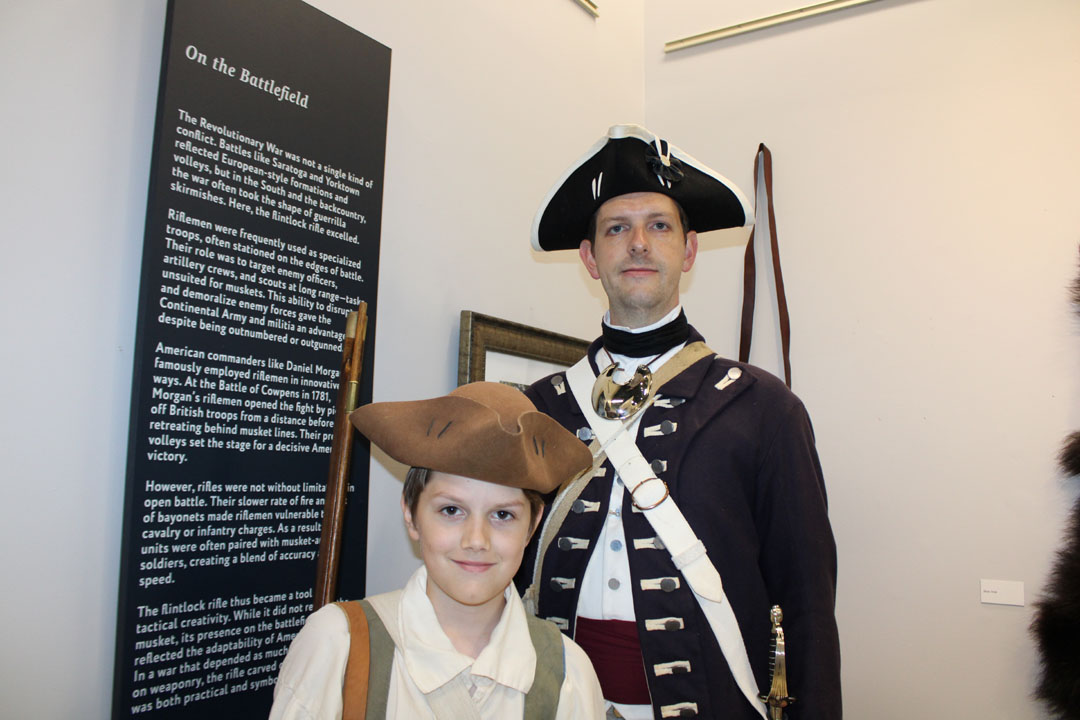
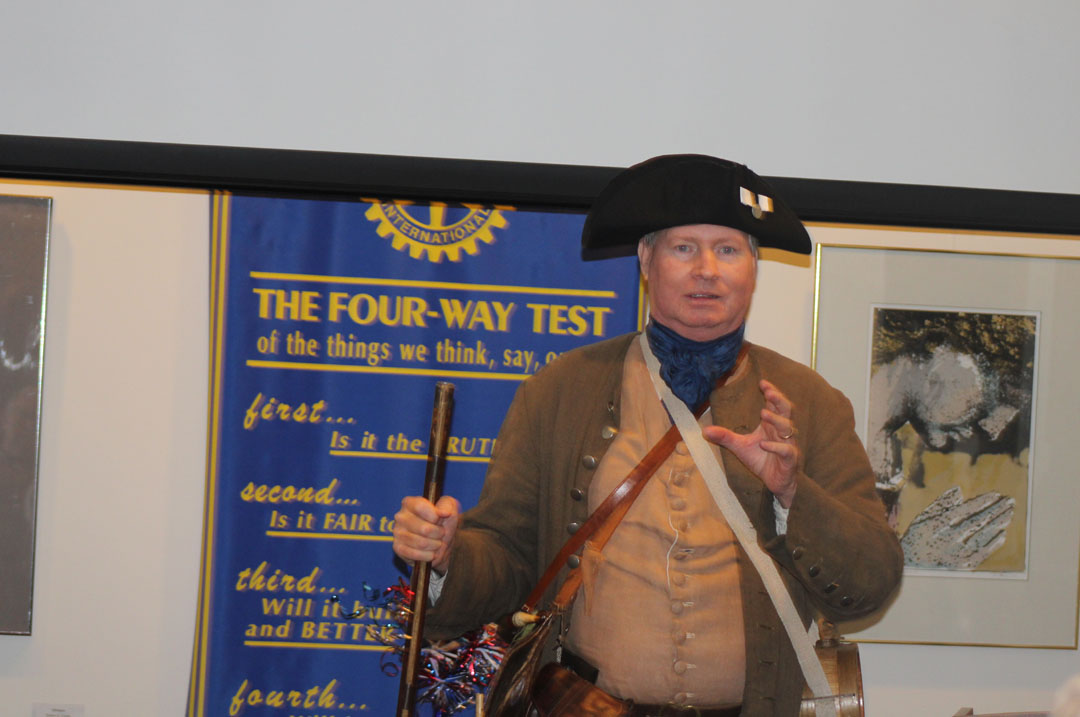
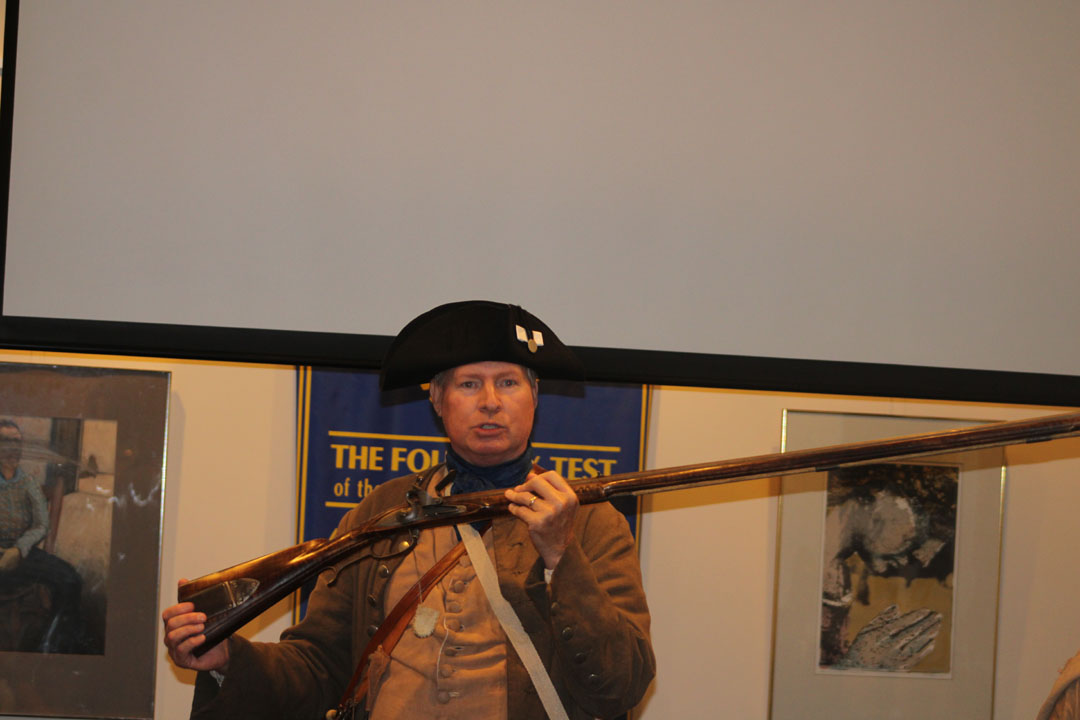
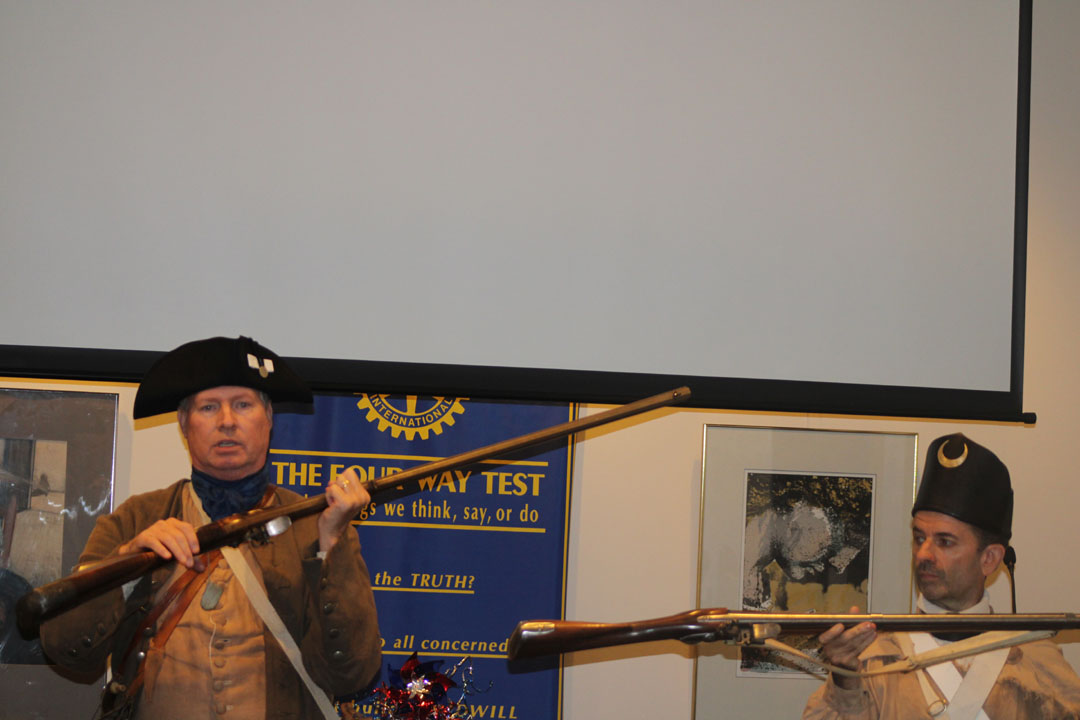
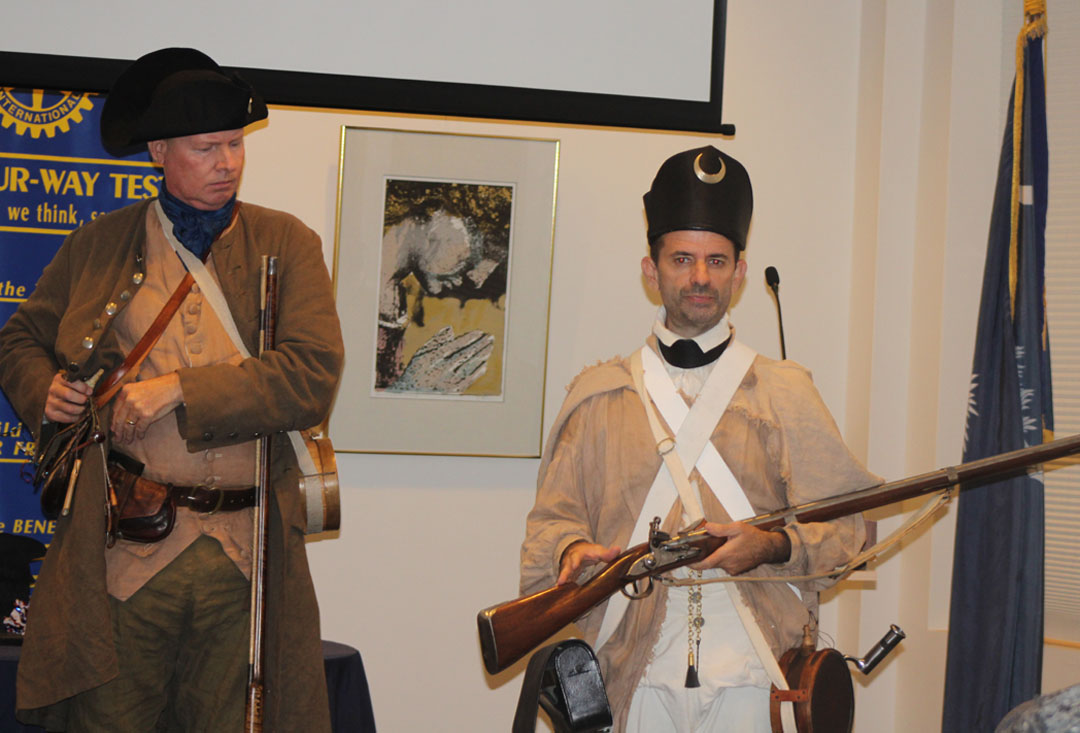
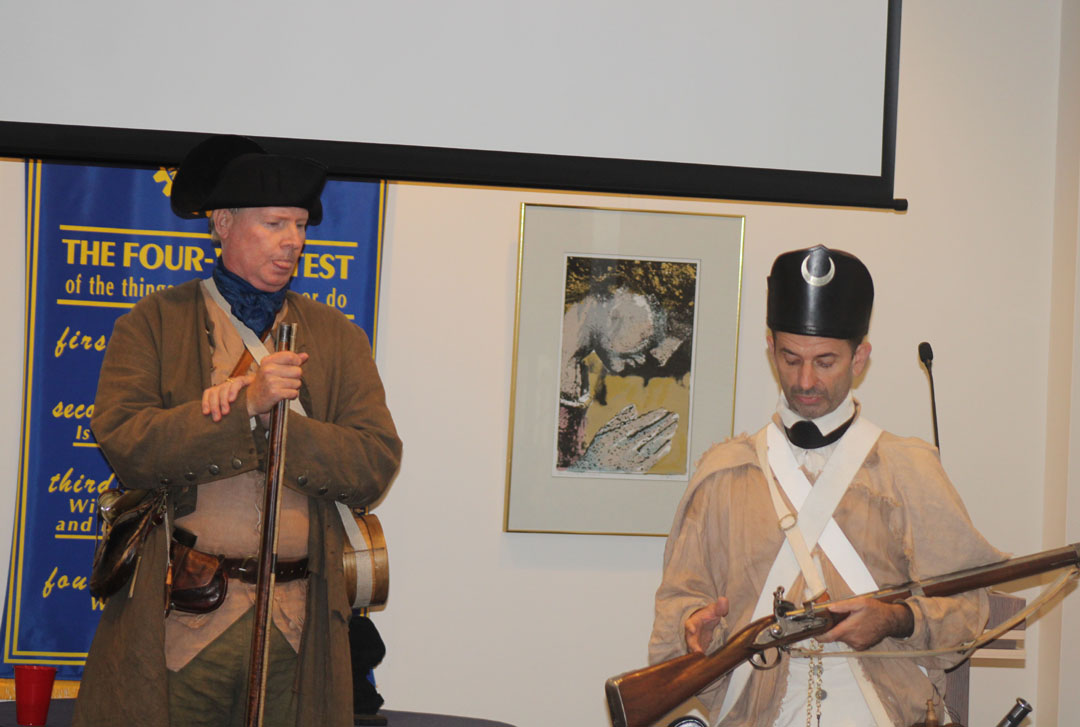
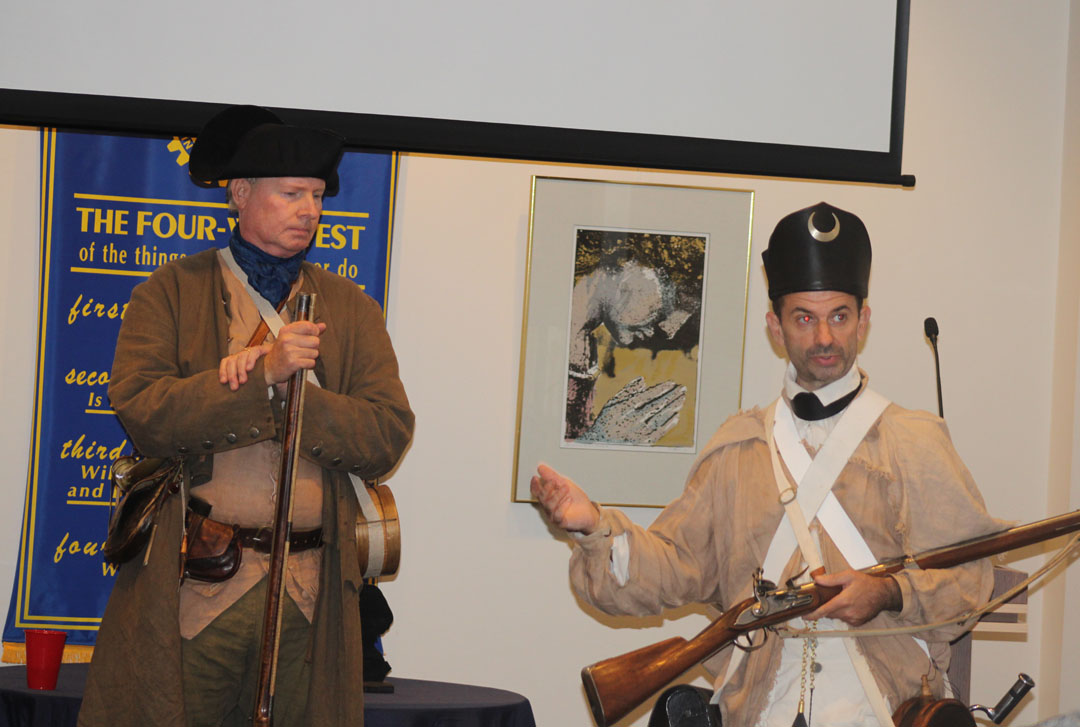
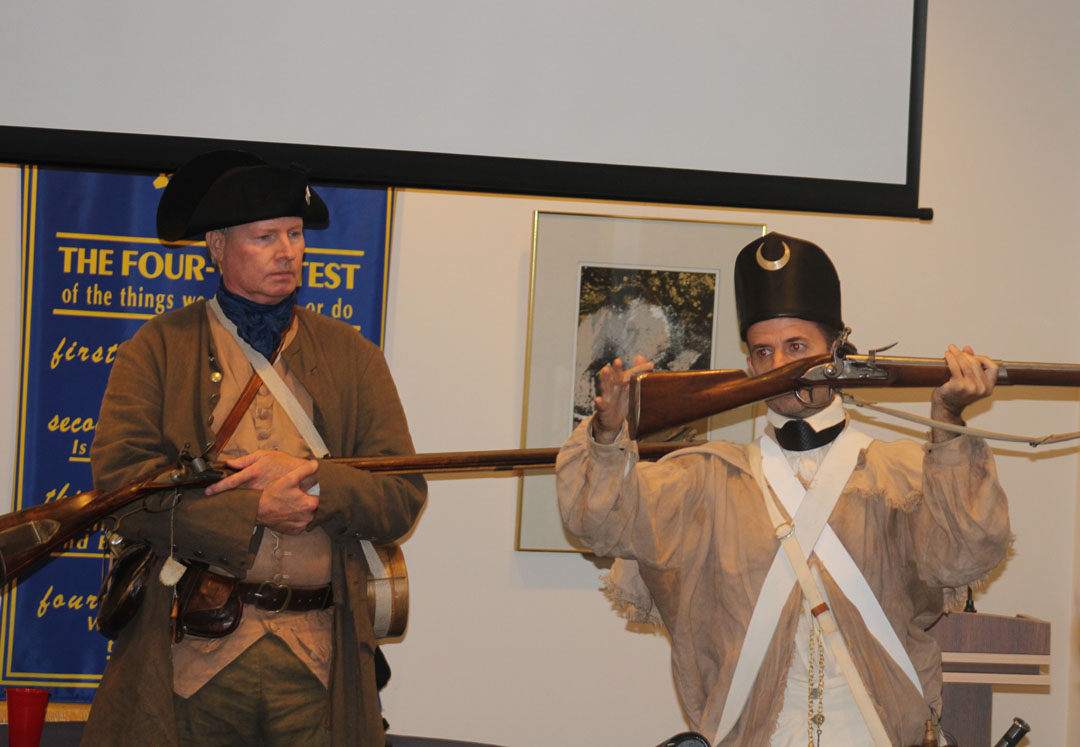
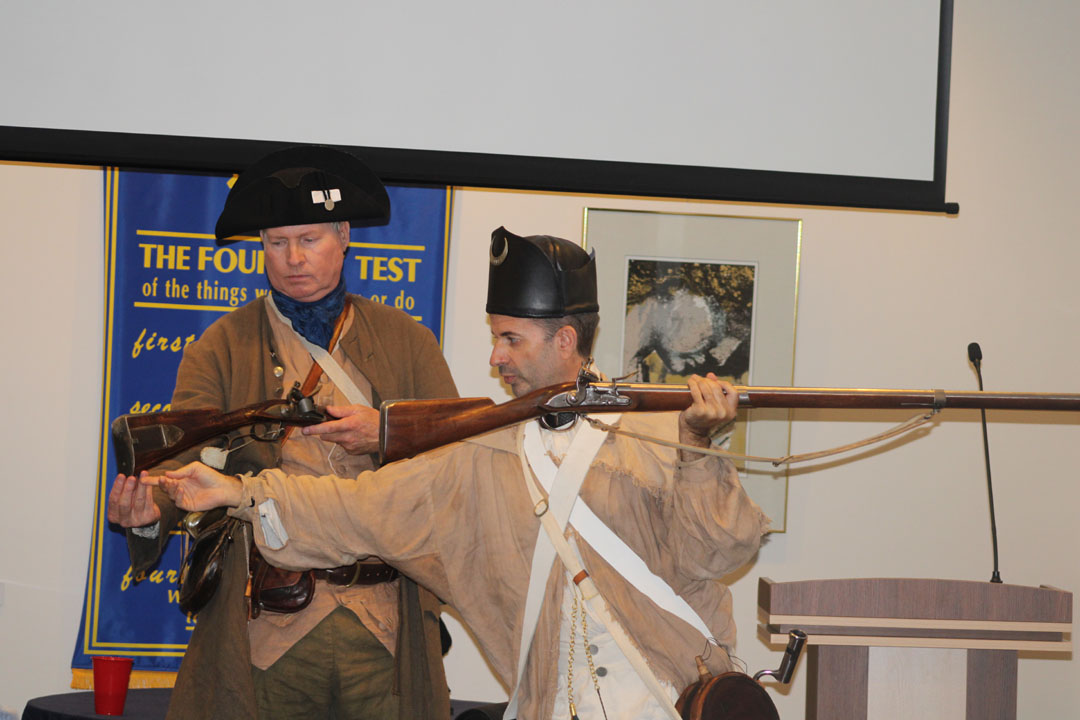
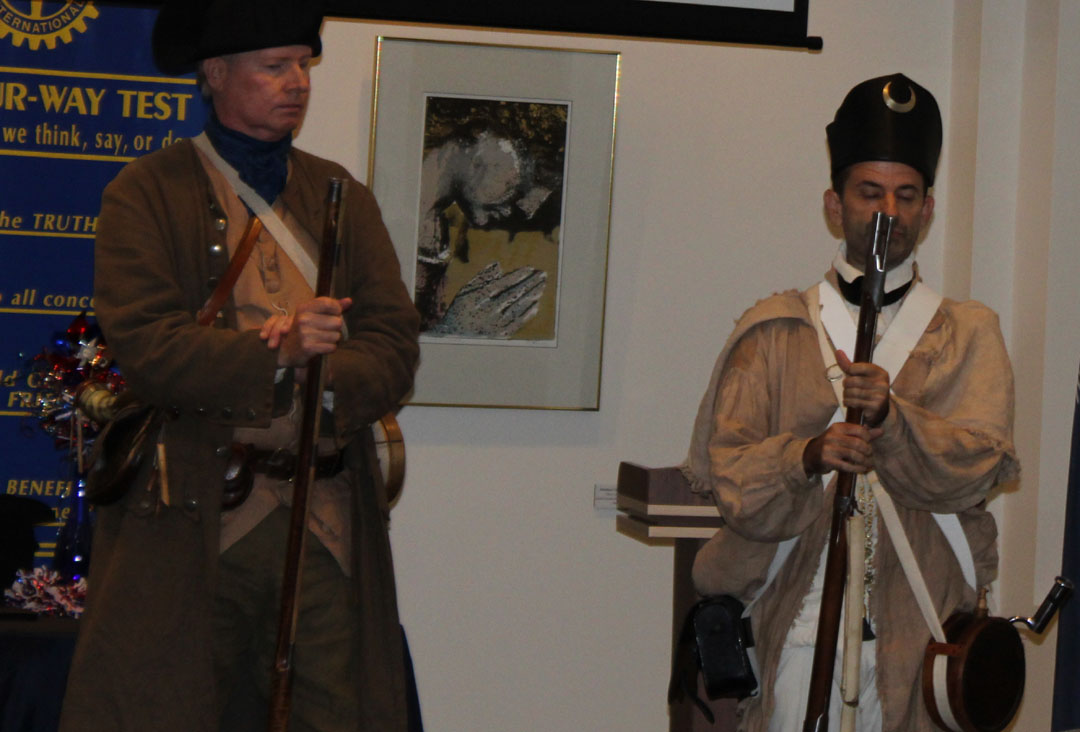
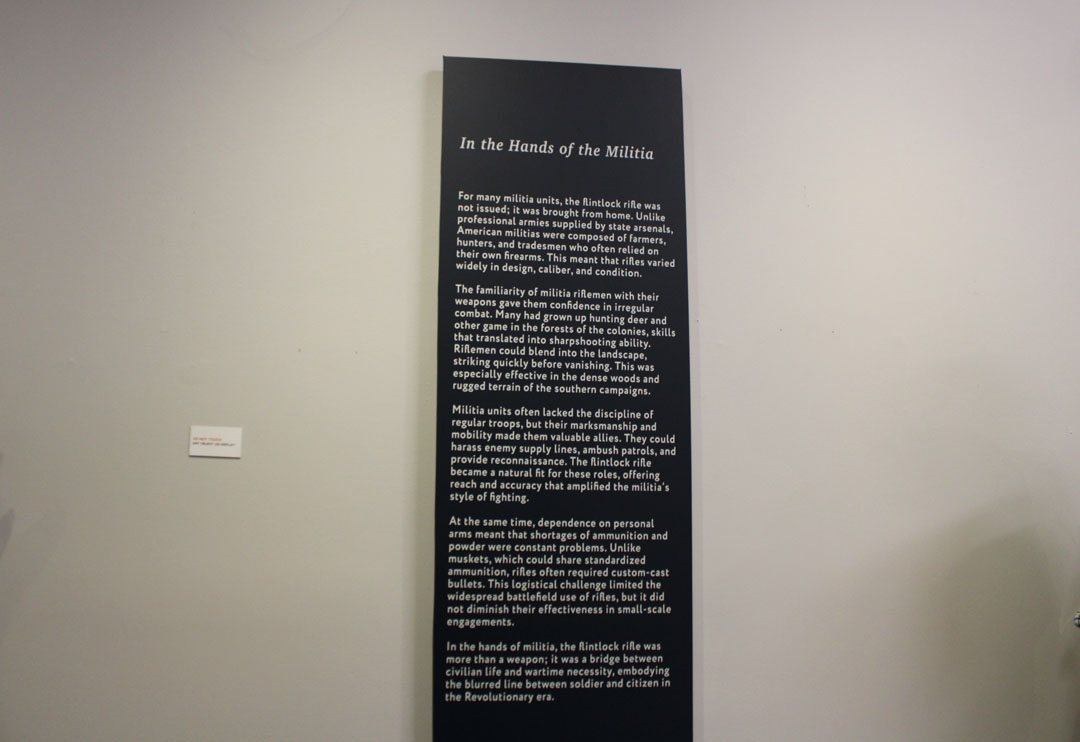
Williamson explained how he and Gillespie, representing the Long Cane region of South Carolina (the Ninety Six District in the 18th Century), as they both had ancestors from that area at that time, were dressed differently and were armed differently. “I represent a militia soldier in the Upper Ninety Six Regiment, out of the Lone Canes. I’m dressed in what I would be wearing, every day, as a planter, as a farmer.” A militia soldier, he explained, would be called upon to do what the National Guard would do today. “If you were between the ages of 16 and 60, you were required to serve a term in the militia.” Williamson said that he has three ancestors who served under General Andrew Pickens, and he described the rifle he was holding.
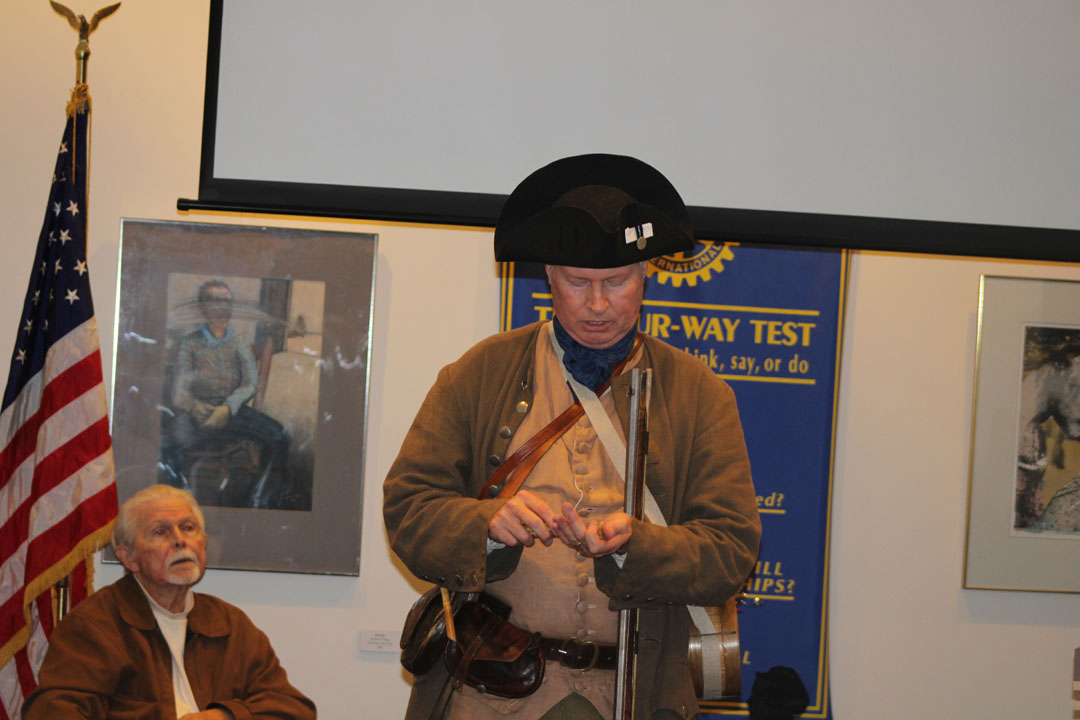
“I represent more of a soldier of the second South Carolina regiment,” said Gillespie. “The Continental line was more of professional soldiers, and they would receive pay, as opposed to a militia man, who would have been more on an as-needed basis. The Second South Carolina regiment was formed in the low state, down in Charleston. One of my ancestors fought in the fourth South Carolina Continental Line.” Gillespie added that he also had several ancestors who fought in the militia in the Ninety Six District in the 18th Century. “The French supplied the patriot soldiers with their firearms,” Gillespie explained. He spoke of the differences between the musket he was holding and the rifle Williamson was holding. “These are the two weapons of the American Revolution that you’ll see depicted in the galleries as you walk through. A well-trained soldier could fire a musket three times in one minute. A rifle, on the other hand, could only fire one per minute.” Turning toward Williamson, he said, “My musket will fire three shots to your shot in a minute, but –” “I can kick you off at 300 yards,” interjected Williamson. “So, I keep you at bay as long as I’ve got ammunition.”
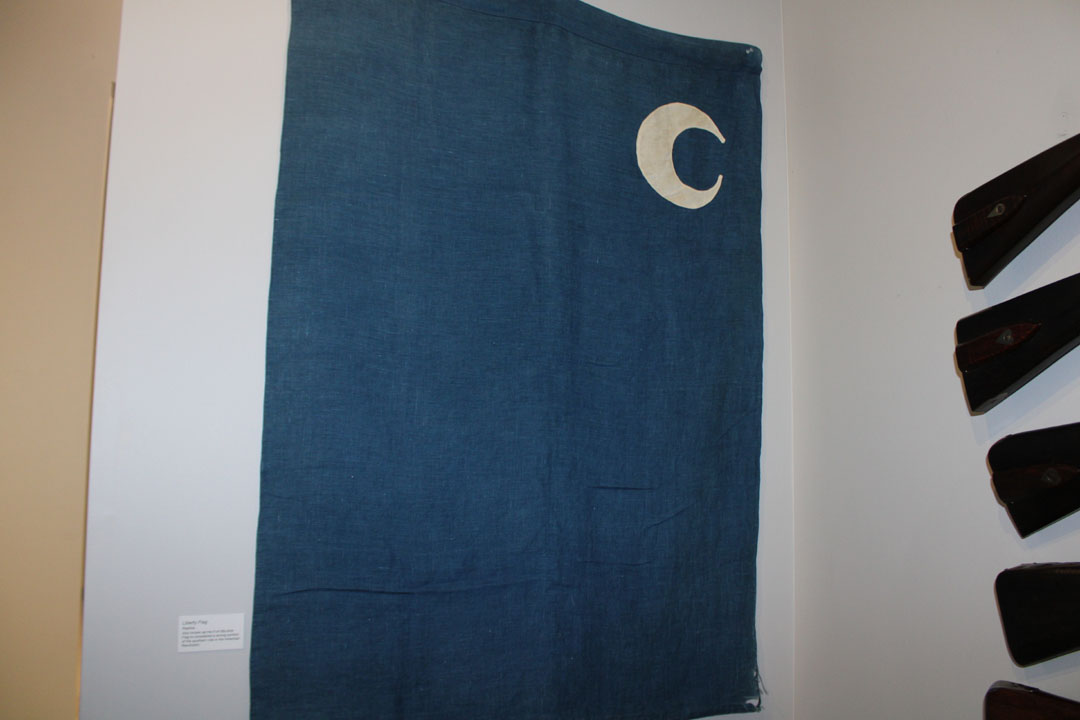
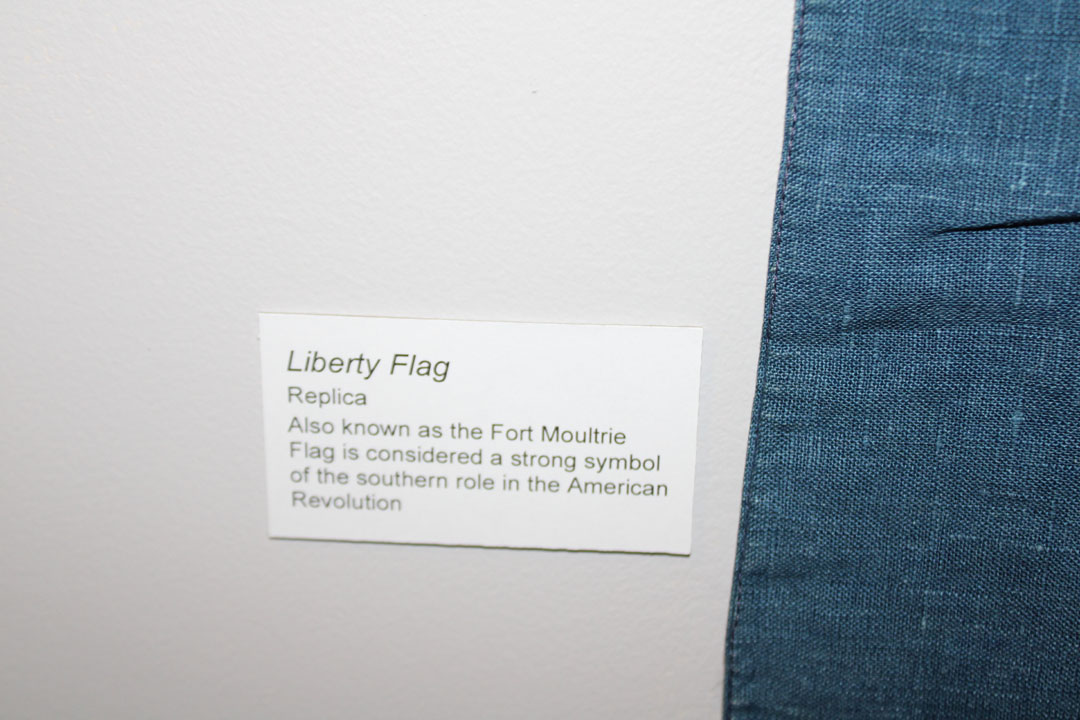
Gillespie also spoke about the South Carolina flag with a crescent, on display in the exhibit. “The South Carolina Second Regiment coat of arms would have had this crescent on top of their skull cap. When General Moultrie, who became the Governor of South Carolina later on, decided in 1775 that he needed a flag for his troops, he took the crescent off the skull caps of his regiment and put it into a blue flag in the upper corner. That became our South Carolina flag. There was no palmetto on it until 1860. So, as you go through the exhibit, you’ll see one of those flags, completely dyed with indigo.”
Nabors spoke about the Revolutionary War-era guns and Revolutionary War battles, including at Ninety Six and Cowpens, and he noted that Eric Williams, retired as longtime Ranger at Ninety Six, was present. He also told the audience they should be proud of their Revolutionary War-era ancestors. “You can be proud of your ancestors. And, if you don’t know who they are, look them up and find them. It’s worth finding out who they are. And say their name, so that they still live.”
Gillespie spoke about his friend Ken Nabors, as well as his friend Don Bruton, who had made many of the rifles on display.
“I’ve known Ken Nabors for at least 26 years,” said Gillespie. “I think we met in 1999. When I was a kid, this is the kind of conversation that I found with Ken continuously. I learned more from this guy here about a little bit of everything, really, when I was a lot younger. And I like to describe Ken as a historical philanthropist. He loves to take his wealth of knowledge, his information and resources, and he loves to teach history.
“As you go through the gallery, most of the rifles that you will see on display, not the muskets but the rifles, were made by Don Bruton. I met him about three years later. And Don is also a historical philanthropist. He has invested in me. Both of these men, when I was a kid, took me under their wing and really invested in me, and I believe that I’m who I am today as a historian because of Don Bruton and Ken Nabors. What they produced is what you see in this gallery today. These men are very special men and are products right here in Pickens County. And I just love both of these guys very much. Thank y’all for coming out. We’ve enjoyed this.”
Williamson also spoke well of Nabors and Bruton and Gillespie. “When I first got involved with history, this is the man who got me started doing this. The first thing he told me — ‘It’s a small community but it’s far reaching.’ ” He said that he did not quite understand what he meant at the time but has come to know what he meant as he has gone to events in South Carolina as well as in Virginia and other areas.
“And this gentleman right here,” he said of Gillespie, “and Don Bruton and Ken Nabors I consider three of my dearest friends. Eric Williams, from Ninety Six, he’s my fourth dearest friend. They’re like family. We’re like family. And we encourage each other. We learn so much. This is history. You put their years of experience together — you’re looking at true historians, true craftsmen, and people who love sharing about South Carolina history.
“And, as we get older, we’ve got to impart that upon the young people. We’ve got to show them, just like what Ken was talking about, knowing who your ancestors are. I was fortunate, growing up. My mother’s family was from the Lone Canes. So, I grew up hearing about my three patriot ancestors. Those names stuck with me my entire life. I’ve told our son about that. He’s 25 years old.
“History comes back to you. The young people here — it’s such an inspiration to see Charlie. That’s our future, folks. And, if we don’t impart what these gentlemen have taught us, and share that with them, we’re losing this history. We’re losing the valuable history of South Carolina. I grew up in Georgia. But I came to South Carolina, and South Carolina has always been like a second home, because my ancestors have been here since 1760. I love this state more than any place I can think of to raise my son. My wife I met here.
“But history is important. So much gets lost in today’s times, and it’s looked down upon. No matter what period of history, there’s something that we can learn from that.
“Don Bruton is a true craftsman. He built my rifle. He’s the one who has inspired me. And Ken, as well. If you go to visit him, it’s not a short visit, because he’s sharing things that he’s learned along the way. But it is a sense of community, and it’s family. And that’s what brings us all together. We do this because we love it, and we like engaging with people. We like sharing. We share with somebody something that we’ve learned and we can pass along. If you get an opportunity with your children and grandchildren, get them to find out about their ancestors, and it will stay with them.”
“I want to thank Joy (Evans) for all the work she’s done to put this on and Nick (McKinney) for allowing us to use this space. I thank the Lord for these people and for this opportunity.”
Carolyn Nations, who chairs the Pickens County 250 Committee, and is the immediate Past Regent of the Fort Prince George Chapter of the Daughters of the American Revolution (DAR), along with Joyce Hansel, current Regent of the Fort Prince Chapter of the DAR, then presented Nabors with two certificates, one from the DAR and one from the Pickens County 250 Committee.
“Tonight, we’re here to honor him. Our state DAR Regent couldn’t be here tonight with us, but we want to present you with a certificate, and it reads as follows: ‘The National Society of the Daughters of the American Revolution 1776 – 2026 DAR America 250 Commendation presented to Ken Nabors for demonstration of extraordinary effort in raising awareness of Revolutionary patriots and America’s 250th anniversary.’ ”
Nations then presented a Certificate of Appreciation to Nabors from the Pickens County 250 Committee. “’This certificate is proudly presented to Ken Nabors for the years of dedication and preserving and promoting American history.’ And this is because of all he has done to impart the history of Pickens County to other people.”
The exhibit from Nabors’ personal collection will be on display at the Pickens County Museum of Art & History through December 15.
(Photos by Karen Brewer, The Pickens County Chronicle)
(Photos by Karen Brewer, The Pickens County Chronicle)
(Photos by Karen Brewer, The Pickens County Chronicle)
(Photos by Karen Brewer, The Pickens County Chronicle)